Last updated November 20, 2026
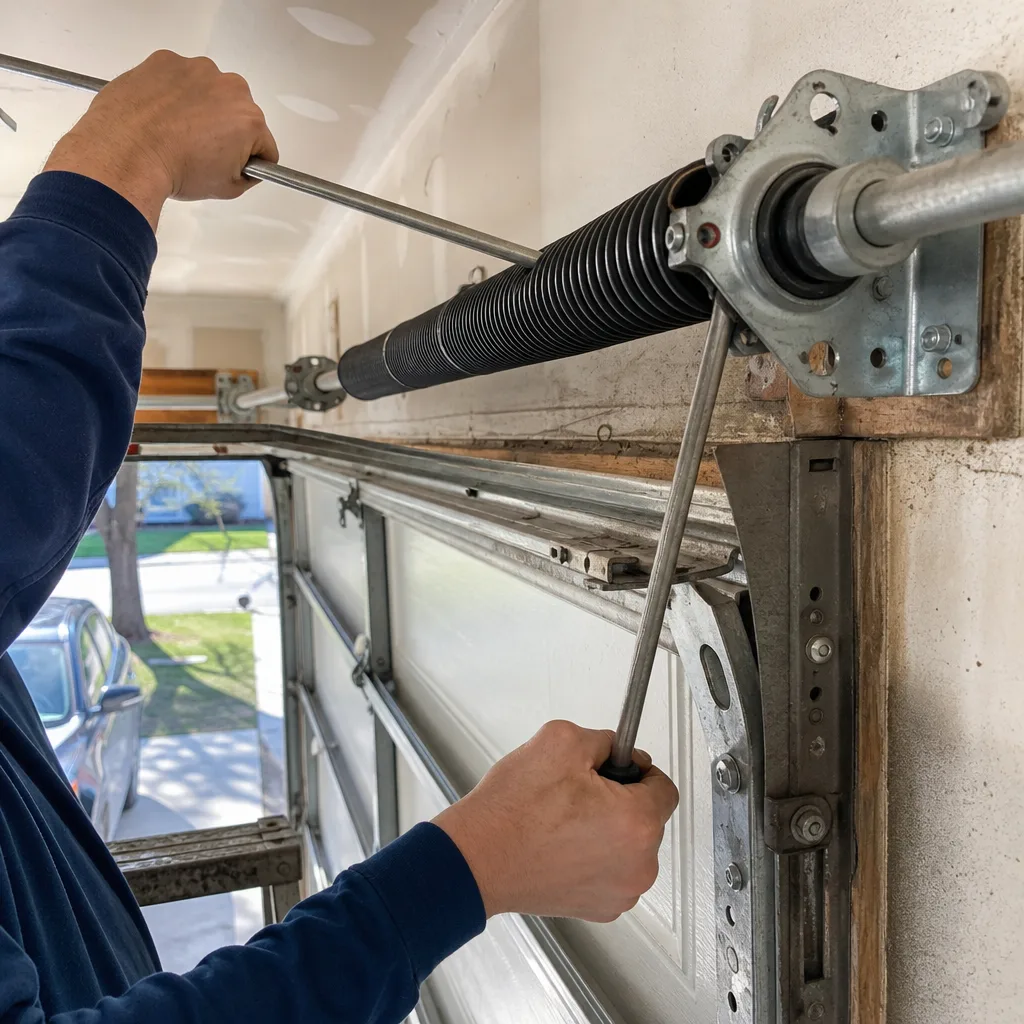
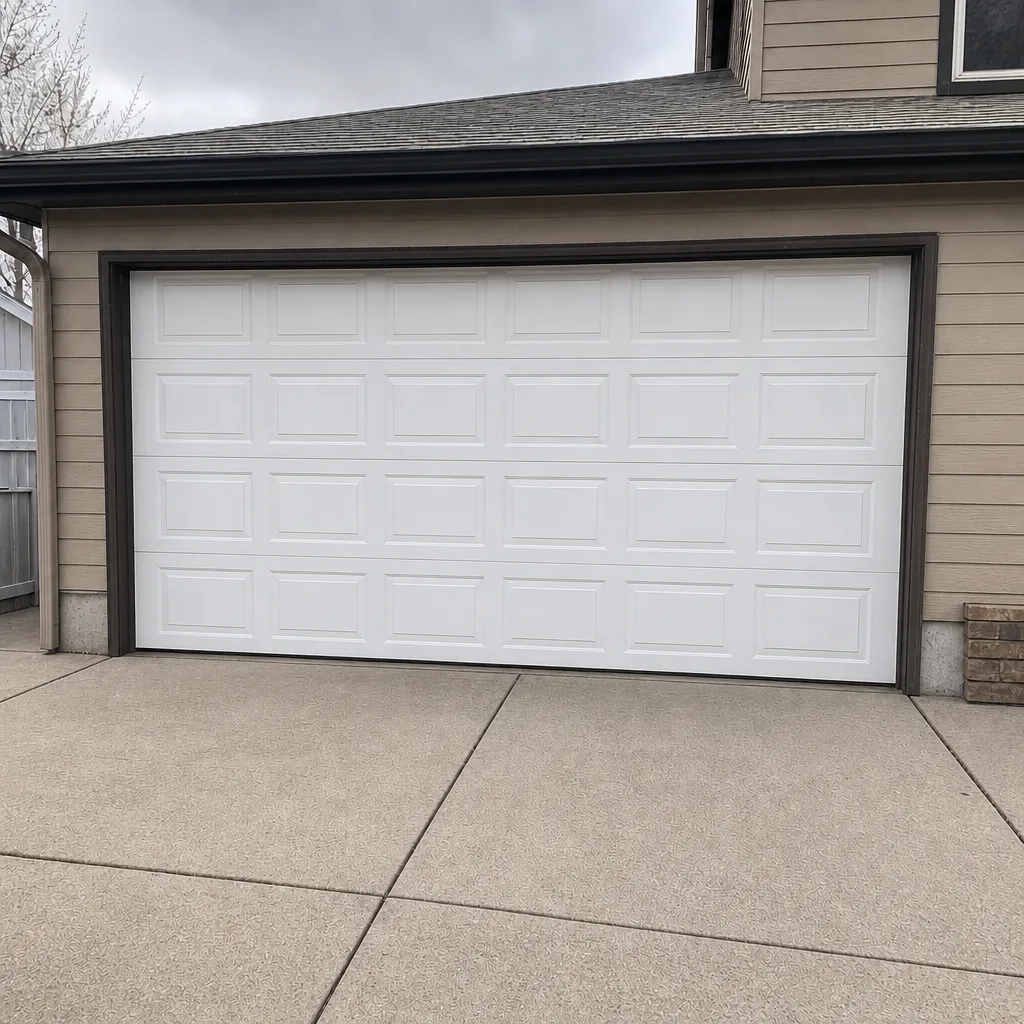
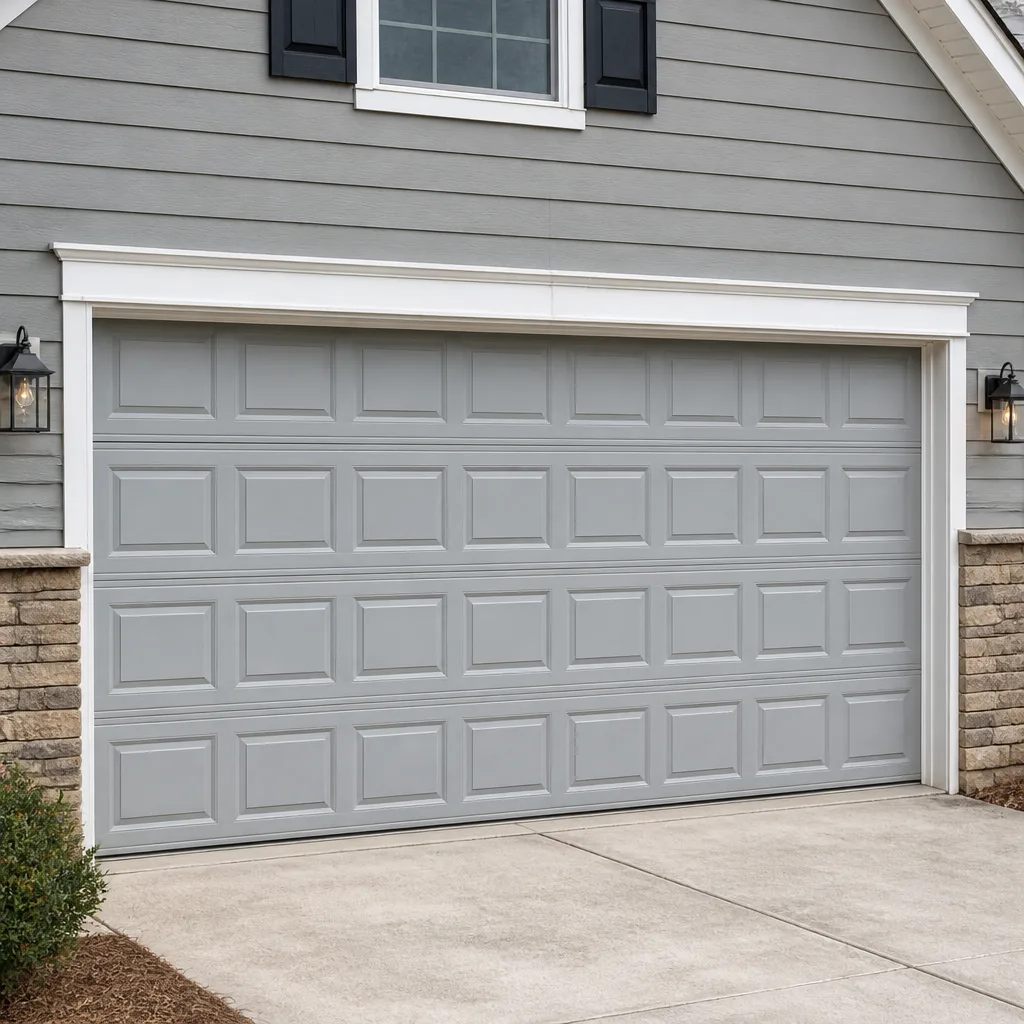 Raised-panel steel
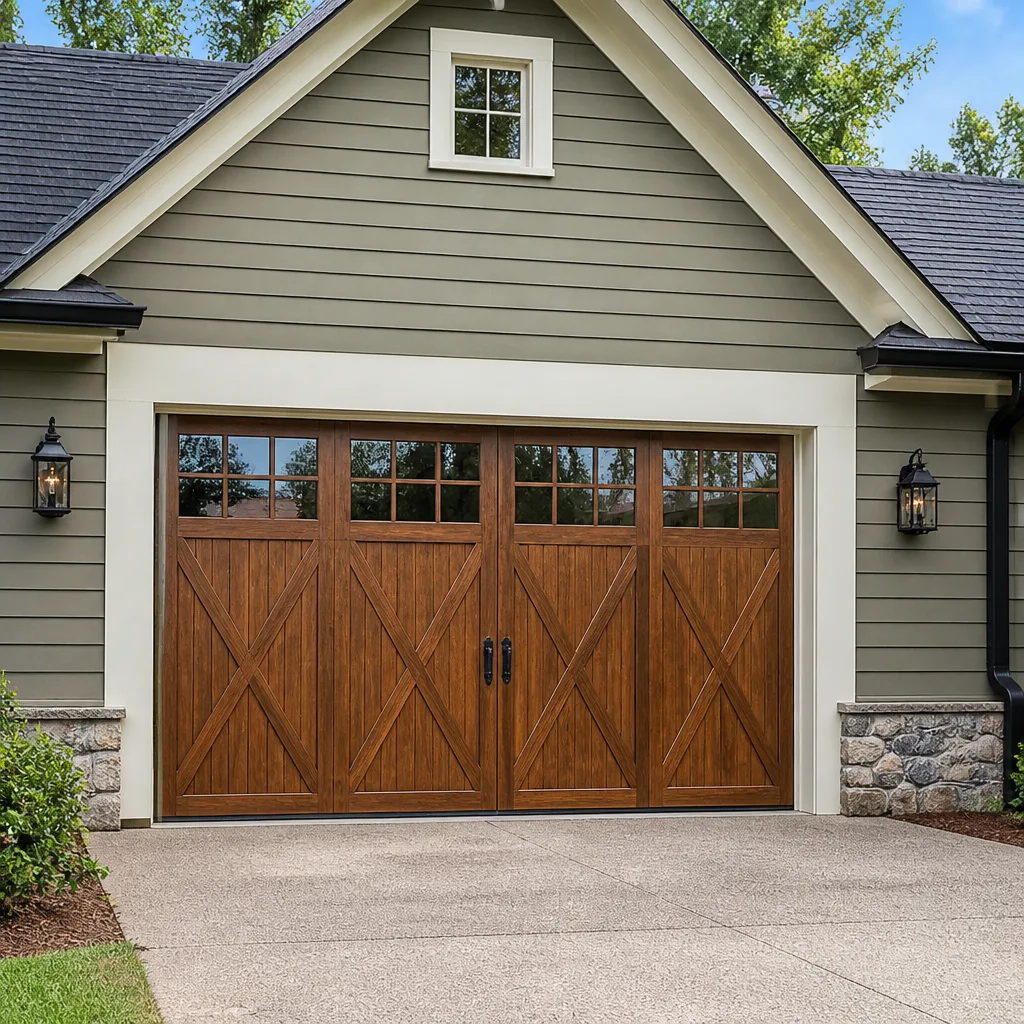 Carriage house
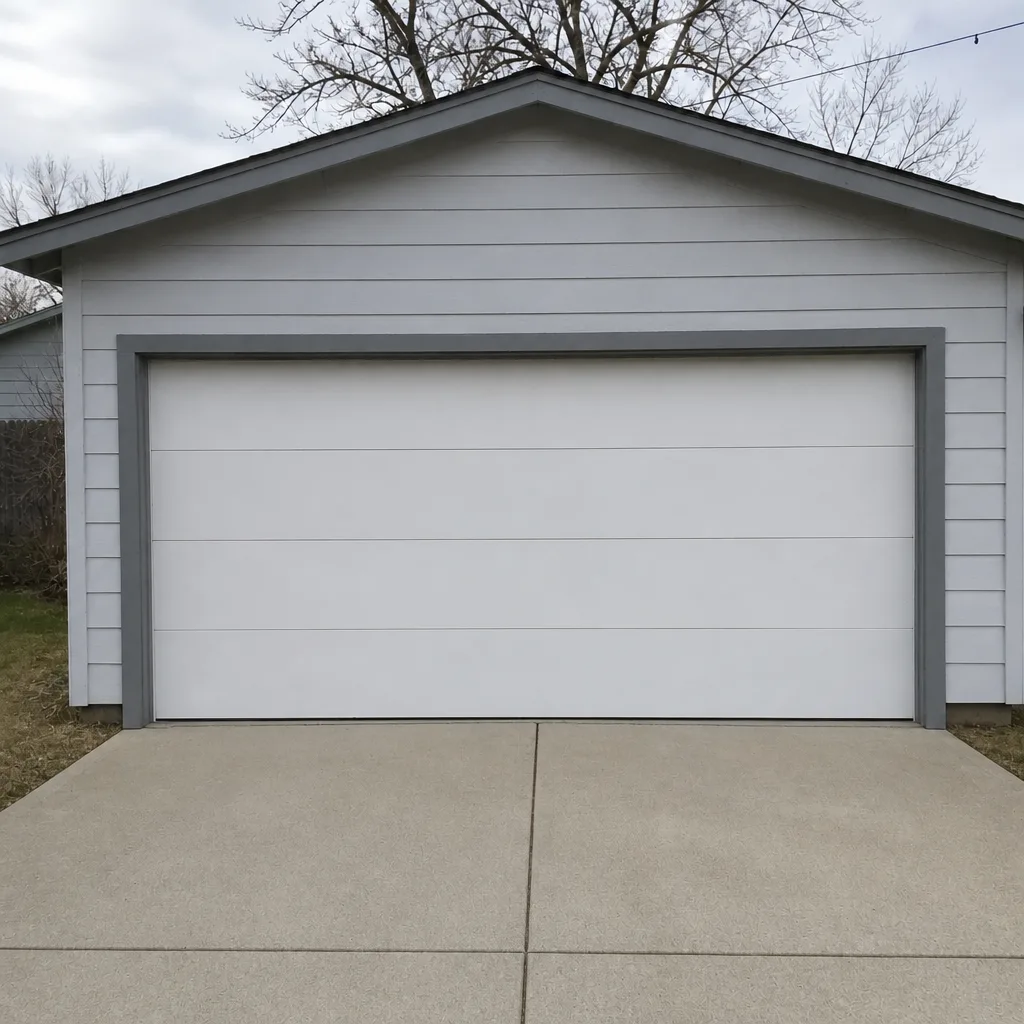
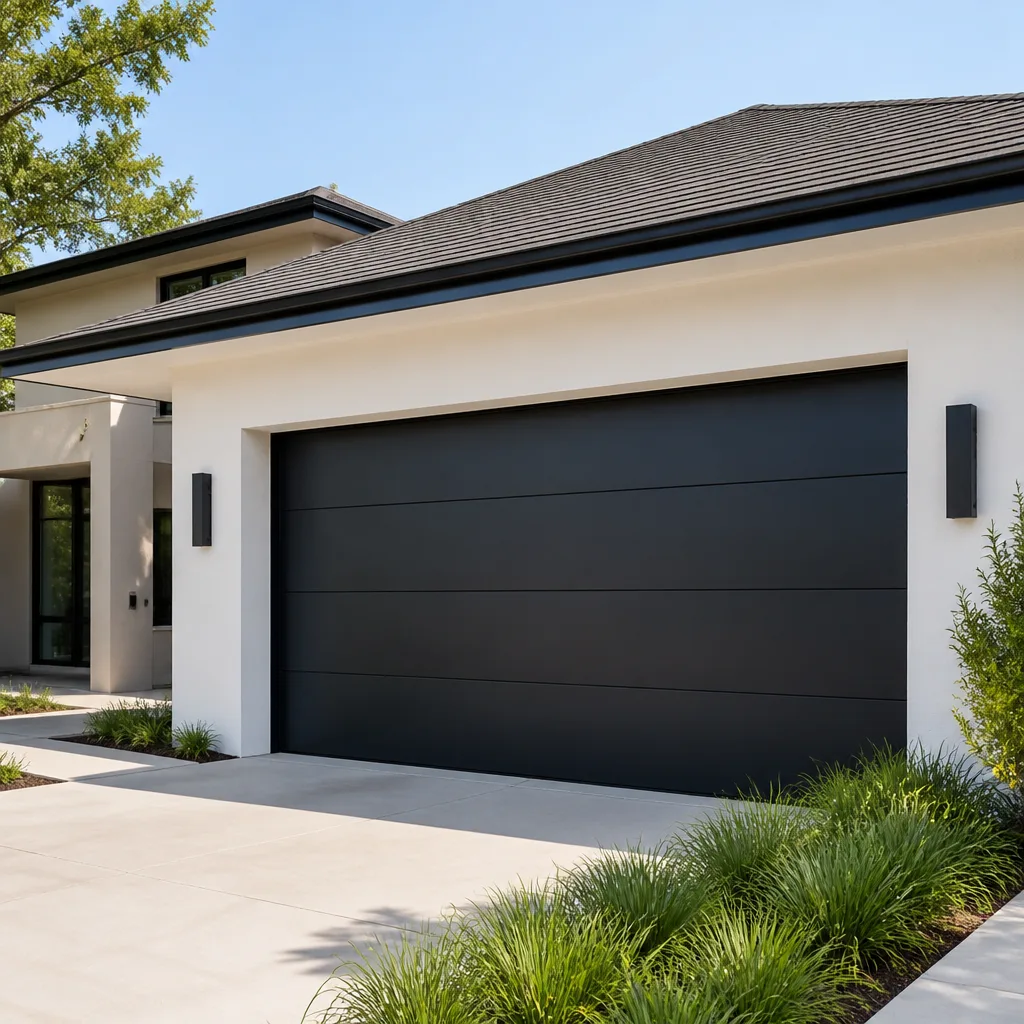 Modern flush
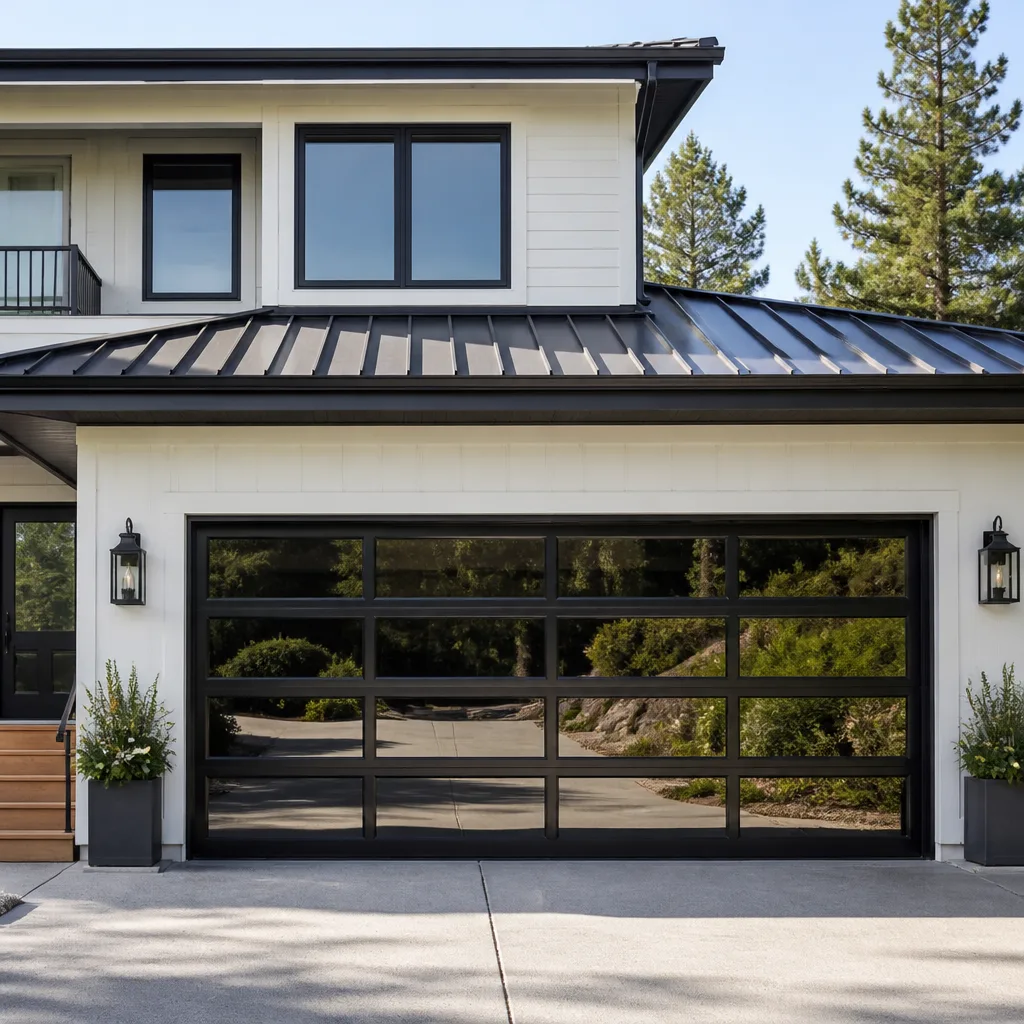 Full-view glass
 LiftMaster openers
 Chamberlain openers
Full 25-point door and opener safety check with every visit - springs, cables, rollers, tracks, and your LiftMaster or Chamberlain opener included
You get a price before we start. It does not change when the pro arrives.
Get your free estimateSeasonal Garage Door Care for Lakewood: Year-Round Homeowner’s Guide
Here’s a counterintuitive fact about garage doors on the Front Range: the month that breaks the most springs in Lakewood isn’t January. It’s October. After a summer of heat expansion, the first hard freeze contracts metal fast, and springs, cables, and hinges that went ungreased all season take the hit. The spring that snaps in the dead of winter was usually compromised months earlier. This guide maps garage door care to the way weather actually moves through Lakewood, month by month, so you’re servicing parts before they fail instead of after. You’ll learn what to check, when to check it, what lubricants hold up below 20°F, and which tasks belong to you versus a trained technician.
Quick Answer
Seasonal garage door maintenance in Lakewood means matching your checks to the Front Range weather cycle: inspect and lubricate in late summer before the first freeze, test seals and weatherstripping ahead of chinook wind season, watch torsion spring tension through summer heat on west-facing doors, and schedule a professional inspection each fall before winter sets in. Most of the work is simple homeowner upkeep, but springs, cables, and anything involving the torsion system should always go to a trained professional.
Styles & brands we work with
- Raised-panel steel
- Carriage house
- Modern flush
- Full-view glass
- LiftMaster openers
- Chamberlain openers
Table of Contents
- Why Lakewood’s Climate Is Hard on Garage Doors
- The Month-by-Month Maintenance Map
- Chinook Winds, Pressure Differentials, and Your Bottom Seal
- Cold-Weather Lubricant Selection: What Fails Below 20°F
- Summer Heat, Torsion Tension, and West-Facing Doors
- The Fall Pre-Winter Inspection Sequence
- Opener Care Through the Seasons
- Common Mistakes to Avoid
- When to Call a Professional
- Frequently Asked Questions
Why Lakewood’s Climate Is Hard on Garage Doors
Lakewood sits at the edge of the Front Range, and that geography drives a weather pattern that punishes mechanical systems. You get hot, dry summers, sudden temperature swings in fall and spring, hard freezes, and chinook winds that roll down the mountains and hammer the western and southern exposures of the city. A garage door is a large moving structure made of metal, so it expands and contracts with every one of those swings. Over years, that cyclic stress adds up.
The freeze-thaw cycle is the biggest factor most maintenance guides skip. In late fall and early spring, temperatures in Lakewood can cross the freezing mark repeatedly within a single week. Metal contracts when it freezes and expands when it thaws. Springs, hinges, rollers, and track hardware all experience that cycle. Lubricant that was fine in July can thicken or thin out unpredictably, and a torsion spring that’s already near the end of its service life has less margin for that extra stress.
Neighborhoods on the west side of Lakewood, closer to the foothills, see sharper wind and slightly colder overnight lows than areas nearer the middle of town. Homes in Belmar and along the Alameda corridor face the same freeze-thaw pattern but with different sun exposure depending on which way the garage faces. A west-facing door takes the full afternoon summer sun; a north-facing door stays cold longer into the morning. Both matter for maintenance timing, which is why a month-by-month approach beats a generic “spring and fall” checklist.
The Month-by-Month Maintenance Map
Most seasonal guides split the year into two buckets, spring and fall. That’s too coarse for Lakewood. The Front Range cycle has distinct phases, and each one stresses the door differently. Here’s how we think about the calendar.
Late Summer (August-September): Preparation Before the Freeze
This is the most important window of the year. Before overnight temperatures start dropping, clean and lubricate every moving part. Wipe down the torsion spring, hinges, and rollers, then apply a cold-rated lubricant so the parts are protected going into the first hard freeze. Test the door’s balance by hand (with the opener disconnected) and check the weatherstripping for cracks or gaps that will leak cold air all winter.
October: The Danger Month
The first hard freeze usually lands this month, and it’s when weakened springs are most likely to snap. Inspect the spring closely for gaps, rust, or a stretched look. If the door has gotten noticeably heavier or the opener is working harder, the spring is telling you something. This is also the time to re-check lubricant coverage, because one cold snap can dry out a section you missed.
November-February: Winter Watch
Once the ground freezes, outside maintenance slows, but interior checks matter. Listen for new noises, watch for sluggish opener response in cold weather, and keep the bottom seal clear of ice and snow buildup. Clear packed snow away from the door’s path so it doesn’t stress the bottom section or the seal.
March-April: Thaw and the Second Stress Cycle
The spring thaw reverses the contraction cycle. Metal expands, seals swell, and anything that was damaged over winter tends to reveal itself. Inspect for loose hardware, re-lubricate hinges and rollers that dried out over the cold months, and check the bottom seal for tears from ice damage.
May-July: Heat and Wind
Summer brings thermal expansion, wind season, and heavier use with the garage open more often. Check the tension and alignment, listen for opster strain, and keep the seal in good shape ahead of the windier months. West-facing doors need special attention here, covered in the summer section below.
Chinook Winds, Pressure Differentials, and Your Bottom Seal
Front Range chinook winds are a real maintenance factor for Lakewood homeowners. When those warm, dry winds come down off the mountains, they don’t just push against the door; they create sudden pressure differences on either side. That pressure flexes the bottom seal and weatherstripping, works hardware loose, and can rattle the whole assembly. A seal that looks fine in calm weather can be a genuine problem once wind season hits.
What “Good Enough” Seal Condition Actually Looks Like
Before wind season, examine the bottom seal and side weatherstripping with your hand, not your eye. A seal that looks intact can still be dried out or flattened. Run your fingers along the bottom edge and check for these signs:
- Flex: The seal should still spring back when you press it. A seal that stays compressed is worn out.
- Cracks and tears: Small splits expand fast under wind pressure. Replace any section with visible damage.
- Gaps: Hold a flashlight on the inside of the closed door at night. If you see light at the bottom or sides, wind and cold air are getting in.
- Hardness: Old rubber or vinyl gets stiff and brittle, especially after a hot summer and a cold winter. Stiff seals can’t flex under pressure.
- Attachment: Check that the seal is still firmly in its retainer. Loose sections flap in wind and fail fast.
If the seal needs replacing, that’s a straightforward job and one of the highest-return maintenance tasks for a Lakewood home. A seal in good condition keeps out wind, snow, and pests, and it protects the door’s bottom section from moisture.
Cold-Weather Lubricant Selection: What Fails Below 20°F
Lubricant choice matters more in Lakewood than in milder climates. A product that works fine in summer can turn gummy or fail to protect at 15°F. When temperatures drop, you need a lubricant that stays effective through the cold rather than one that thickens and drags. This is one of the most overlooked parts of seasonal care, and it’s where a lot of premature wear starts.
Where Each Lubricant Belongs
Not every part takes the same product, and applying the wrong type can attract dust or gum up in cold weather. Here’s a simple guide:
- Springs: Use a dedicated garage door lubricant or a low-temperature lithium or silicone-based product. Avoid heavy grease, which thickens in cold and can hold grit against the spring.
- Rollers: A light lubricant or silicone spray works on the roller shafts. Don’t over-apply; excess attracts dust that wears the rollers faster.
- Hinges: A low-temperature white lithium or silicone spray on the hinge pivots keeps them moving smoothly through a freeze.
- Tracks: Tracks generally shouldn’t be greased, because grease traps debris. Clean them and apply a very light silicone spray if needed.
What to Avoid Below 20°F
Standard petroleum grease and some general-purpose oils get thick when it’s cold. That means the door works harder, the opener strains, and parts don’t slide the way they should. In a Lakewood winter, that compounds the freeze-thaw stress the door is already under. Look for products labeled for low-temperature use and apply sparingly, one thin coat at a time.
How Often to Reapply
Late summer and again in mid-winter is a reasonable rhythm for Lakewood. If the door starts sounding dry or the opener struggles on cold mornings, add a coat. Lubrication is cheap; a snapped spring is not.
Summer Heat, Torsion Tension, and West-Facing Doors
Summer in Lakewood is dry and hot, and that heat does two things to a garage door: it expands the metal and it changes the effective tension on the torsion spring. On a west-facing door that takes full afternoon sun, the effect is stronger. The door’s metal sections warm up more, the cables and spring are working against different tolerances than they do in the morning, and the opener has to manage that variability.
What Heat Does to Spring Tension
A torsion spring is calibrated to counterbalance the door’s weight at a specific tension. When summer heat expands the door’s components, the balance shifts slightly. You might notice the door closing a bit faster or the opener working harder in the afternoon than in the cool of the morning. That’s thermal expansion, and it’s normal up to a point. What matters is whether the door still operates smoothly and safely across the whole day.
The Opener’s Thermal Load
Openers also expand and contract. A hot garage puts more thermal load on the motor and the gears, and an opener that’s already near the end of its life may act up more in summer. If your LiftMaster, Chamberlain, Genie, or Craftsman opener gets sluggish on hot afternoons and fine on cool mornings, that’s worth an inspection. It might be the opener itself, or it might be the door and spring making the opener work harder than it should.
What to Check on a West-Facing Door
- Test the balance in the afternoon heat, not just the morning.
- Listen for new noises when the door is at its hottest.
- Check that the spring, cables, and hinges are still lubricated and not dried out.
- Note whether the opener seems to strain in the heat. If it does, have the door and opener checked together.
Torsion springs are under extreme tension and the adjustment process is genuinely dangerous. Never attempt to adjust or wind a torsion spring yourself. This is one task that always belongs with a trained technician, whether the door is a Clopay, Amarr, or Wayne Dalton model or a builder-grade door in an older Lakewood home.
The Fall Pre-Winter Inspection Sequence
This is the sequence we’d run through if we were standing in your garage in October. It’s ordered by failure probability, so you start with the parts most likely to be the cause of a January emergency call. Do the checks in order and note anything that seems off before you move on.
- Spring condition: Look at the torsion spring or springs (above the door for torsion, along the sides for extension). Check for gaps, rust, or a stretched profile. A spring with visible failure signs is the top priority before winter.
- Cables: Inspect the cables for fraying, kinks, or looseness. Don’t touch a cable under tension; just note its condition and call a professional if it looks worn.
- Rollers: Check each roller for flat spots, cracks, or wobble. Worn rollers accelerate wear on the rest of the system.
- Hinges: Look for loose screws, cracks, or bent hinges. Re-tighten what you can reach safely.
- Tracks: Check alignment and look for debris. A bent track should be handled by a professional.
- Bottom seal and weatherstripping: Run the flex test from the section above. Replace any worn sections before wind season.
- Opener: Test the safety reverse feature by placing an object in the door’s path. Check that the wall control and remotes respond reliably. Listen for new noises.
- Manual release: Confirm the emergency release still works so you can open the door by hand if the opener fails in a winter storm.
- Balance test: Disconnect the opener, lift the door halfway, and let go. A balanced door stays put. A door that drifts down is telling you the spring is losing tension.
That sequence catches most of what causes winter failures. If you only have time for two steps, do the spring check and the seal check; those are the two that matter most going into a Lakewood winter.
Opener Care Through the Seasons
An opener is a motor, and motors respond to temperature. In Lakewood, the opener is working through hot summers and cold winters, plus the wind pressure of chinook season. Seasonal care for the opener is mostly about listening and testing rather than adjusting anything.
- Spring: Test the safety reverse and run the door a few times after winter to catch any sluggishness.
- Summer: Listen for new strain on hot afternoons. Clean dust from the opener housing if it’s accessible.
- Fall: Replace remote batteries and confirm all safety sensors are aligned and clean.
- Winter: Watch for slower response in cold. If the opener struggles when temperatures drop, the door’s spring or rollers may be the real cause.
If your opener needs attention, our garage door opener repair covers the dominant brands you find in Lakewood homes, including LiftMaster, Chamberlain, Genie, and Craftsman. Whatever brand is on your door, we know it, and we can diagnose the problem without redirecting you to a dealer. A seasonal check is also a good time to think about whether garage door repair is the better fit if the opener keeps acting up.
Some problems that seem like opener failures are actually the door itself. A stiff spring or worn rollers can make a perfectly good opener seem to fail. Diagnosing both together saves you from paying for an opener repair you don’t need.
Common Mistakes to Avoid
- Waiting until January to think about the door. By then the damage has been building since October. The fall inspection is the one that prevents the emergency call.
- Using heavy grease on the spring. In Lakewood’s cold, thick grease drags on the spring and can hold grit. Use a cold-rated lubricant instead.
- Skipping the seal until it fails. A worn bottom seal lets in cold air, wind, and moisture, and it’s much easier to replace before chinook season than during it.
- Adjusting the torsion spring yourself. This is the most common and most dangerous mistake. Springs are under extreme tension. A trained technician handles them safely, and never a homeowner.
- Ignoring thermal expansion on a west-facing door. If the door acts differently in the afternoon than in the morning, that’s worth checking. It isn’t always harmless.
- Assuming one door’s maintenance schedule fits another. A north-facing door in Lakewood needs a different level of attention than a west-facing one. Match the schedule to the exposure.
- Lubricating the tracks. Greased tracks trap dust and grit. Clean them instead.
When to Call a Professional
Most seasonal maintenance is homeowner work: lubricating, inspecting, cleaning, testing the opener’s safety reverse. But a few situations always call for a trained technician. Any visible gap, rust, or stretch in a torsion spring, any frayed or kinked cable, a door that bounces or drifts during the balance test, a track that’s bent or out of alignment, or an opener that strains in the heat or cold. Those are the signs that the door has moved past maintenance into repair, and leaving them until winter turns a manageable fix into an emergency.
Lakewood Garage Door Repair Pros offers free estimates in Lakewood, and our technicians have up to 14 years of experience with systems across the brands most installed in local homes. Call (833) 608-4285 to schedule a seasonal inspection before the freeze. When the work needs doing, you’ll get a written quote before anything starts, so you know the price before the first wrench turns.
For anything that turns into a bigger job, we handle the whole range: from snapped spring to full installation. If a door has reached the end of its life, garage door installation gives you the full picture on replacement, including help choosing among brands like Clopay, Amarr, Wayne Dalton, and Raynor. And for the parts that keep a healthy door healthy, our garage door parts service covers rollers, hinges, seals, and hardware. If you’re also comparing repair options across the metro, our page on Lakewood Garage Door Repair Pros lays out the full range of what we handle.
Frequently Asked Questions
Twice a year covers the essentials, with a focused check in late summer before the first freeze and a second in early spring after the thaw. The late summer check matters most in Lakewood because the October freeze is where most winter failures start. A simple lubricate-and-inspect routine in August or September prevents a lot of January headaches.
Lubricating the moving parts before the first freeze is the single most important task. The freeze-thaw cycle in late fall and early spring puts extra mechanical stress on springs, hinges, and rollers, and cold-rated lubricant gives those parts the protection they need. If you only do one thing, clean and lubricate every moving part in late summer. Call (833) 608-4285 if you’d rather have a technician check it for you; estimates are free.
No. Torsion springs are under extreme tension, and the winding process is one of the most dangerous jobs in the trade. A mistake can cause serious injury. Spring repair is a job for a trained technician, and it’s a service we treat as a specialty rather than a footnote. Call us if a spring looks worn, makes noise, or the door has gone heavy. Estimates are free.
Use a low-temperature garage door lubricant, such as a silicone or lithium-based product, on springs, hinges, and roller shafts. Avoid heavy grease, which thickens in cold weather and can cause the door to work harder. Reapply in late summer and again mid-winter if the door starts sounding dry.
Chinook winds create sudden pressure differences that flex the bottom seal and weatherstripping and can work hardware loose. Inspect the bottom seal and side weatherstripping before wind season and replace any sections that have lost their flex, cracked, or come loose. A good seal keeps wind, snow, and pests out and protects the door’s bottom section.
Yes, whenever possible. Many opener problems are actually the door or spring making the motor work harder, so a technician checking both at once gives a clearer diagnosis. We service LiftMaster, Chamberlain, Genie, and Craftsman openers, plus the doors those openers are lifting. Call (833) 608-4285 to schedule a combined check, and you’ll get a written quote before any work begins.
No. The written quote you agree to is the price, and any work beyond that is discussed with you before it starts. You’ll have a number in hand before the first tool comes out. Call (833) 608-4285 for a free estimate.
The Bottom Line
Seasonal garage door care in Lakewood is a calendar problem more than a seasonal one. The freeze-thaw cycle in late fall and early spring does the most damage, and October is the month that sets up the winter failures. Work ahead of the freeze, not after it. Lubricate moving parts with a cold-rated product before the first hard freeze, test the balance and the seal in late summer, watch torsion springs and opener performance through the summer heat, and reinspect after the thaw. Handle the safe checks yourself. Hand the springs and cables to a trained technician. Lakewood Garage Door Repair Pros can inspect the whole door and opener together so nothing gets missed.
If you’d like a seasonal inspection before the next freeze, call us at (833) 608-4285. Estimates are free, and when the work needs doing, the price is quoted and agreed before anything starts. Whatever brand is on your door, we know it, and we’re ready to help you get it ready for the season ahead.
Written by the team at Lakewood Garage Door Repair Pros.
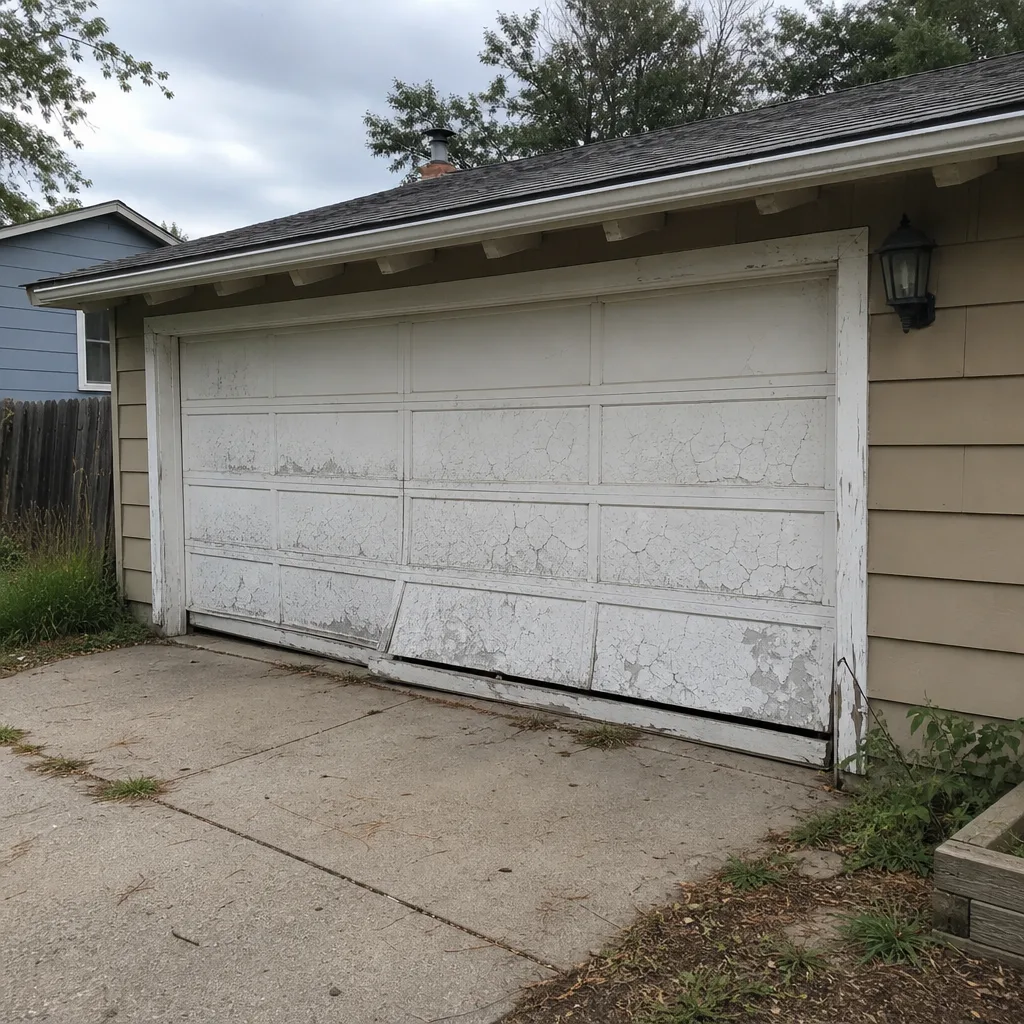
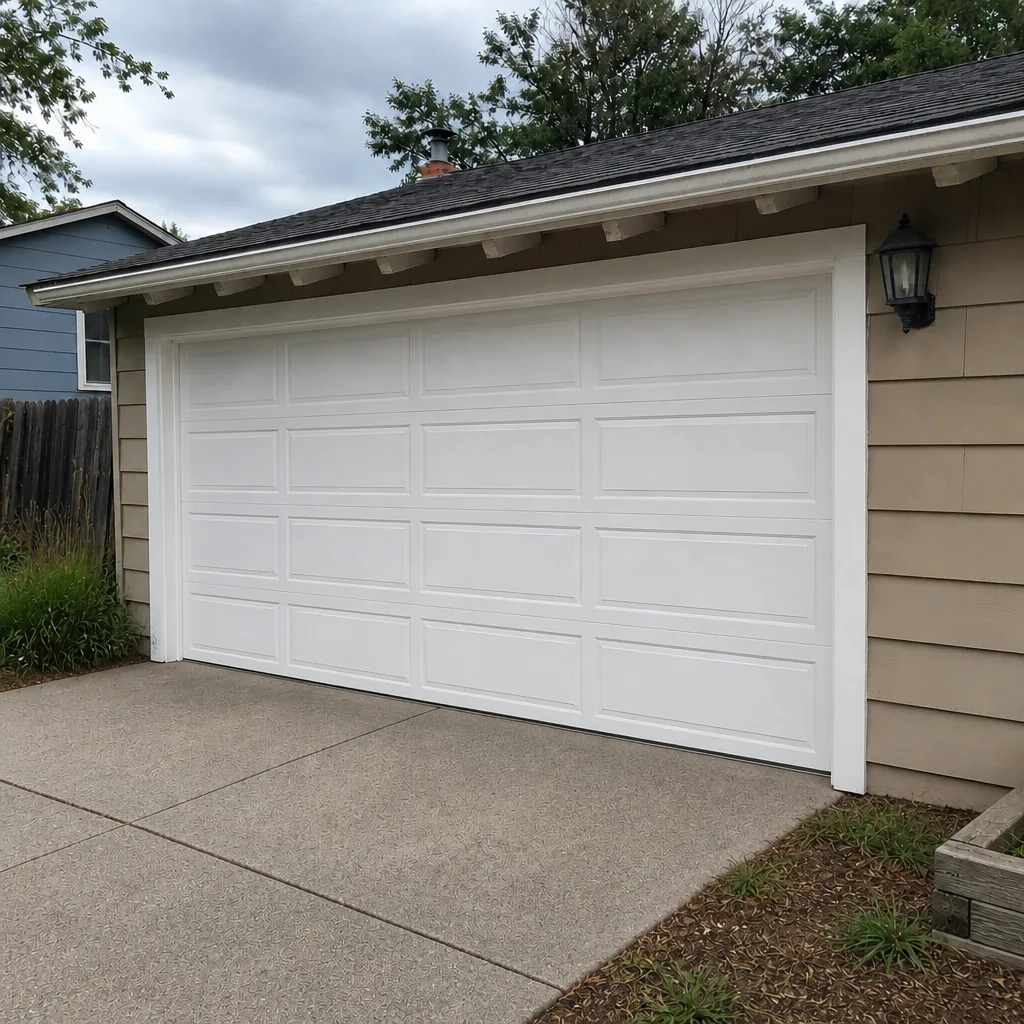
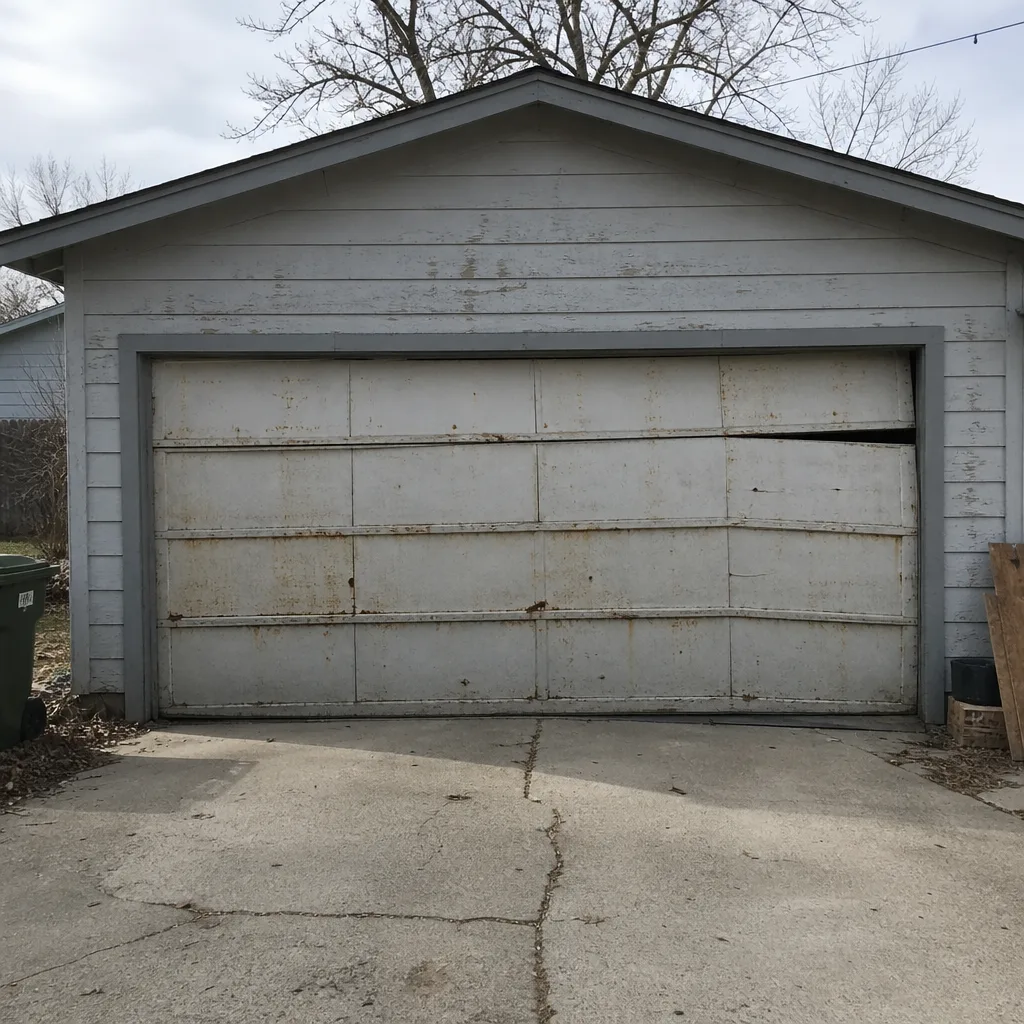
See the difference
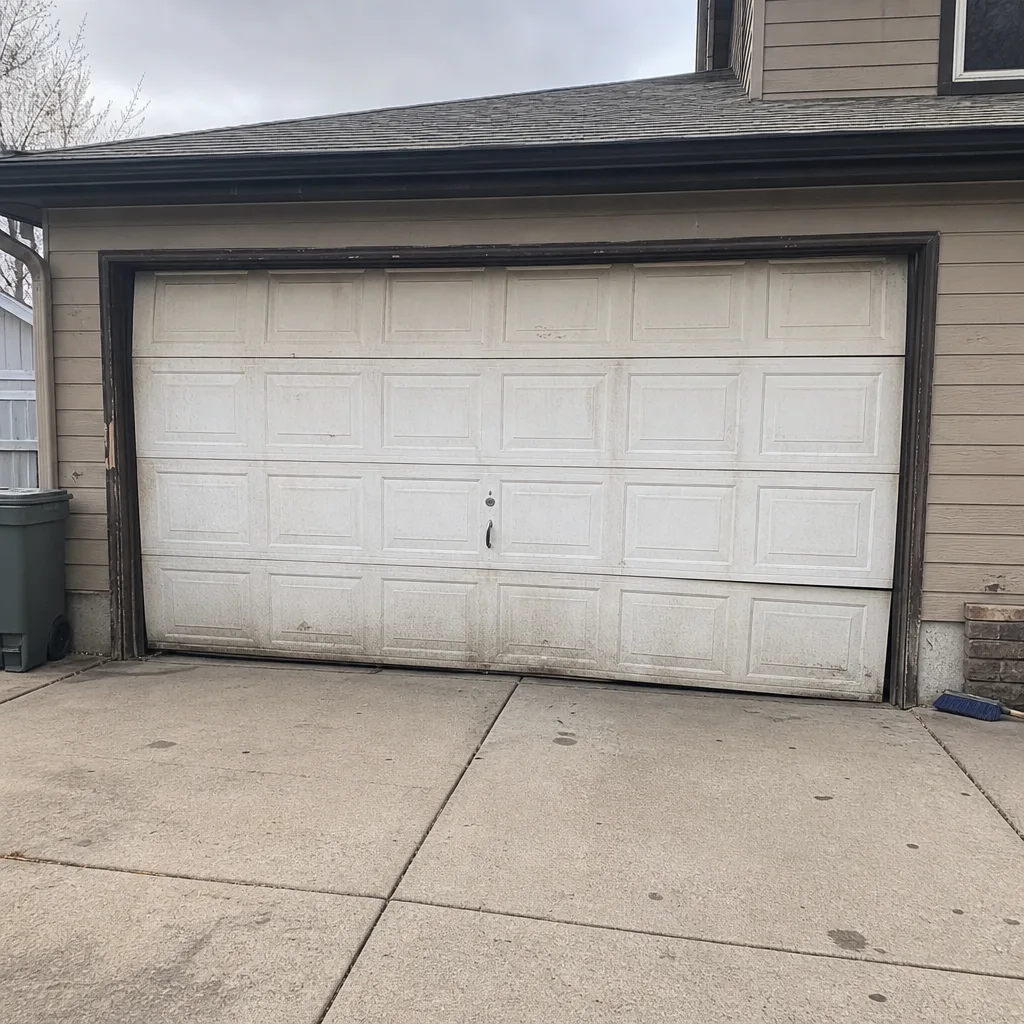 Before
 After
 Before
 After
 Before
 After