Last updated November 20, 2026
 Raised-panel steel
 Carriage house
 Modern flush
 Full-view glass
 LiftMaster openers
 Chamberlain openers
Full 25-point door and opener safety check with every visit - springs, cables, rollers, tracks, and your LiftMaster or Chamberlain opener included
You get a price before we start. It does not change when the pro arrives.
Get your free estimateGarage Door Warning Signs: A Lakewood Homeowner’s Reference Guide
A garage door that hesitates for two seconds before opening isn’t a minor inconvenience. That pause is a force-sensor reading: the opener is working harder than it should, which means something mechanical is about to fail, and the opener is currently absorbing that stress load. Most warning-sign guides make the problem worse by listing twenty symptoms with no ranking attached to them, so homeowners either ignore everything or panic about nothing. This reference guide does the opposite. It assigns a triage level to each symptom in a Lakewood home, explains the failure chain so the urgency is self-evident rather than asserted, and separates what you should shut down from what you can log and watch.
Styles & brands we work with
- Raised-panel steel
- Carriage house
- Modern flush
- Full-view glass
- LiftMaster openers
- Chamberlain openers
Quick Answer
Garage door warning signs fall into three urgency tiers: stop using the door now (a visible spring gap, a frayed or slack cable, the door dropping when you pull the release, an opener that won’t reverse on contact), schedule repair this week (grinding or popping from a specific component, a door that goes up crooked, a opener that runs but won’t lift, rollers that wobble), and monitor and log (a slight hesitation, occasional squeak, worn weather seal, cosmetic dents). Springs and cables in the first tier are genuinely dangerous to touch, so a trained professional should handle them, not the homeowner.
Table of Contents
- How to Read These Warning Signs: The Triage System
- Stop Using the Door Now: The Red Tier
- Schedule Repair This Week: The Yellow Tier
- Monitor and Log: The Green Tier
- The Sounds Your Door Makes and What Each One Implicates
- What You Can See on Springs and Cables From a Safe Distance
- Opener Problem or Door Balance Problem? How to Tell Them Apart
- Lakewood-Specific Triggers: Cold Snaps, Storm Power, and UV at Altitude
- Common Mistakes to Avoid
- When to Call a Professional
- Frequently Asked Questions
- The Bottom Line
How to Read These Warning Signs: The Triage System
Every symptom on this page gets one of three labels, and the label matters more than the symptom itself. A torn weather seal and a broken spring both look like “the garage door stopped working properly,” but one costs you a few dollars of heating and the other can injure a person. Triage separates them before you decide what to do.
Here’s the reasoning behind each tier:
- Red – stop using the door now. These are signs that a load-bearing component has already failed or is seconds from failing. The door is now held up by whatever is left, and cycling the opener keeps loading a compromised part. Red signs involve stored mechanical energy (springs) or tensioned cables, which is why we treat them as an automatic stop.
- Yellow – schedule repair this week. The door still functions, but a part is wearing or misaligned in a way that will get worse and can drag a second component down with it. Continuing to open and close the door is what turns a small repair into a larger one.
- Green – monitor and log. Cosmetic or slow-wear signals. Note the date you first noticed it, check again in a few weeks, and see whether it’s progressing. You’re building a record the technician can use later.
The point of the tiers is to keep you from making both classic errors: ignoring a red sign and having a component fail under load, or treating a green sign as an emergency. In our experience in Lakewood homes, the most common mistake is homeowners assuming every symptom is either “fine” or “the whole door needs replacing.” Usually neither is true.
Stop Using the Door Now: The Red Tier
If you see any of the following, stop cycling the door and call for garage door repair. These indicators mean a spring or cable has already failed, or is about to. Do not attempt to open the door manually, do not disengage the opener, and do not touch the springs or cables. Both springs and the cables that run alongside them are under high tension even when the door looks calm, and an untrained release can cause serious injury.
- A visible gap in a torsion spring. A torsion spring sits horizontally above the door. If you can see a clean break in the coil – the spring is now two pieces with a gap between them – it has failed. The door above you is now being held by the second spring or by nothing at all.
- A stretched or loose extension spring. Extension springs run along the horizontal tracks on each side. If one is visibly stretched longer than its partner, or has pulled away from its anchor point, it has lost tension.
- A frayed, kinked, or slack cable. Cables run from the bottom corners of the door up to the drums. A cable with broken strands, a birdcage kink, or a loose loop means the door is no longer evenly supported. Never touch a cable to test it – just observe from a safe distance.
- The door drops when you pull the release. The manual release is the red handle (usually) hanging from the opener rail. When you disconnect the door from the opener, the door should stay put, held by the springs. If the door slams down, the springs have lost their ability to counterbalance it – that’s a red sign. Test this only by pulling the release with the door fully closed and standing clear.
- An opener that fails its reverse test. Put a block of wood or a roll of paper towels flat on the ground in the door’s path and let the door close on it – the opener should reverse immediately. If it doesn’t, the force limiting or safety sensor system has failed, and someone could be pinned. Stop using the door until it’s checked.
All five of these signs belong to spring repair or opener safety work, which is the highest-risk category of residential garage door service. A trained technician can make a Lakewood garage door safe again quickly, but the failure itself is not something a homeowner can or should try to fix.
Schedule Repair This Week: The Yellow Tier
Yellow-tier signs are the ones we see most often in Lakewood, and they’re the easiest to talk yourself out of. The door still goes up. Nothing snapped. But something in the system is starting to wear in a way that will compound if you keep using it.
- A door that goes up crooked or hesitates on one side. Uneven travel usually means one spring is weaker than the other, or one track is slightly bent. Left alone, the stronger side does more of the lifting and the weaker side wears faster.
- Grinding or popping from a specific component. See the sounds section below – the location of the noise points to the failing part.
- Rollers that wobble or look worn flat. Nylon and steel rollers develop flat spots and then bind. Binding rollers add drag to the whole system, which makes the opener work harder.
- A door that won’t stay fully open. If the door creeps down from the open position, the springs have lost some counterbalance. That’s not an immediate emergency, but it belongs in front of a technician this week.
- A bent track. If the door seems to hit a bump at one point in its travel, look at the vertical or horizontal track on that side. A minor bend can be straightened; a badly bent track can derail a roller and drop the door.
- A opener that runs but won’t lift the door. If it hums and strains without moving, the opener is trying to lift a door it’s not strong enough to move. The cause is more likely a spring or balance issue than a dead opener – but that needs to be diagnosed, not guessed.
Yellow signs belong in a garage door repair visit within a week, not a month. Waiting doesn’t usually save money; it usually moves the repair from one component to two. If you’re in Lakewood and notice any of these, a free estimate call is a good place to start.
Monitor and Log: The Green Tier
Green-tier signs are cosmetic or slow-wear. You’re not calling anyone today, but you’re noting them. Write down the date you first noticed it, check once a week, and notice whether it’s changing. When a technician eventually looks at the door, that log tells them a lot about how long a part has been going.
- A slight, occasional squeak or creak. Lubrication on hinges, rollers, and the opener drive can quiet it. If it comes back within a few weeks, it’s now a yellow sign.
- A worn or torn weather seal along the bottom or sides. A seal that’s cracking lets cold air, dust, and small pests in. Not urgent, but worth replacing before the next Lakewood cold snap, when the gap becomes more noticeable.
- Faded paint or a chalky finish on the door panels. Especially on a steel door, fading is a cosmetic issue unless it’s paired with bubbling or rust at the bottom. Log it and watch.
- A very slight hesitation in the first second of opening. One slow-start cycle is not an emergency. A pattern of hesitation across multiple days is a yellow sign.
- Dents or dings to the door face. Cosmetic unless a dent has distorted the panel or pushed a roller out of its track. Check that the door still runs level.
Our technicians have up to 14 years of experience reading these patterns, and a green log that turns yellow over a few weeks tells us far more than a description of a single bad morning. If you’re unsure which tier your symptom belongs in, call and describe it – the triage itself is free.
The Sounds Your Door Makes and What Each One Implicates
“Grinding” is not one problem. The exact character and location of a sound narrows the culprit down to a specific component, and that’s the difference between a targeted repair and a guess. Here’s how to distinguish the four sounds we hear most often in Lakewood homes.
Grinding
Grinding usually comes from one of three places, and the sound tells you which:
- From the opener motor or rail: the opener’s drive gear or belt is wearing. On a Genie or LiftMaster opener, a grinding noise at the top of the door’s travel often means the drive gear is stripped – replacement gear kits are common, so this is usually a garage door opener repair rather than a full replacement.
- From the rollers in the track: a roller with a flat spot is binding in the track. Usually sounds like a rhythmic grind, once per roller per revolution.
- From the spring drum above the door: a cable is not winding cleanly. This one is a red or yellow sign depending on what you see – if you can view the drum from a safe distance and the cable looks pinched, don’t cycle the door again.
Popping
A single loud pop at the start of opening usually means a torsion spring has just broken. A repeating pop or snap can mean a roller has come out of the track and is reversing into place. Either way, popping is a yellow sign at minimum and red if it’s a spring. A single pop combined with the door suddenly going much heavier to lift is a spring – stop using the door.
Squealing
Squealing is a friction sound, usually from dry hinges, dry rollers, or a dry opener trolley. It’s a green sign and often quieted by lubrication, but a squeal that persists after lubrication means the dry part has worn and needs replacing.
Rattling
Rattling often means loose hardware: hinge bolts, roller stems, or the bolts that hold the track to the wall. Loose hardware is a yellow sign because the vibration it causes can slowly walk the track out of alignment.
If you can describe where the sound is coming from – the motor, the rail, the track, or the spring – a technician can often diagnose it before arriving. That’s one reason we handle garage door opener repair across the dominant brands like Genie, Chamberlain, Craftsman, and LiftMaster: the same noise means something different on each drive system, and we know which.
What You Can See on Springs and Cables From a Safe Distance
You don’t need to touch springs or cables to spot a failure. From a few feet back, with a flashlight and no contact, these are the visual indicators that predict imminent failure. If you see any of them, call for garage door spring repair rather than waiting.
- Look at the spring color or coil gap. A torsion spring above the door should be one continuous coil. Any visible gap, a broken end, or a section that looks straight rather than coiled means it has failed.
- Check the two sides against each other. On a door with two springs, one should look like the other. A spring that’s stretched noticeably longer, or has lost its paint at the coil, has lost tension. On an extension-spring door, one spring visibly longer than its partner is a warning sign.
- Trace the cables with your eyes. Cables should be taut, straight, and clean. Look for broken strands (the cable looks fuzzy), a kink that no longer feeds smoothly, or a loop of slack hanging loose below the drum.
- Look at the drum above each side. The drum should hold the cable neatly wound. A cable that’s jumped the drum, or is visibly crimped, means the door is no longer evenly counterbalanced.
- Look at the safety cables on extension springs. Extension springs should run inside a safety cable that runs through the spring’s center. If the safety cable is missing or has broken, that’s a red-flag gap in the safety system.
We keep saying it because it matters: high-tension springs and cables are dangerous to touch, and every one of these checks is a visual inspection only. A broken torsion spring on a Clopay or Amarr door in Lakewood can be replaced cleanly by a trained technician. It cannot be safely repaired by a homeowner with a wrench and a video. Spring repair is one of our named specialties because it’s the most demanding and highest-risk job on a residential door, and it deserves a serious, safety-first approach.
Opener Problem or Door Balance Problem? How to Tell Them Apart
Misdiagnosing an opener problem for a door balance problem leads to replacing the wrong component. It’s the most costly confusion in residential garage door service, and it’s avoidable with one simple test you can do safely from the floor.
The balance test
- Close the door fully.
- Pull the manual release handle to disconnect the opener.
- Lift the door with your hands – by the bottom panel, standing to one side, not under the door.
- Let go at about waist height.
A balanced door should stay roughly where you let go. A door that drops hard has weak or failed springs – the springs aren’t carrying the door’s weight, and the opener has been doing that work for you. A door that’s hard to lift has over-tensioned springs or a bent track. A door that goes up unevenly has one spring doing more work than the other.
What this tells you
- Door drops hard and the opener sounds fine: the problem is the springs, not the opener. Replacing the opener would not fix it, and the new opener would fail the same way.
- Door is balanced but the opener strains, hums, or won’t start: the opener or its safety circuit is the problem. On a Chamberlain or LiftMaster unit, this often traces to a photo-eye out of alignment or a failed capacitor.
- Door is balanced but the opener reverses or stops partway: force limits or travel limits need adjustment, or a safety sensor is being triggered by debris.
- Door is hard to lift and the opener cycles normally: the door’s track or rollers are binding, and the opener has more than enough power to overcome it. That “overcoming” is itself the wear – it will eventually take the opener down with it.
This is why full-spectrum capability matters. When the symptom points at an opener, we fix the opener. When it points at a spring, we fix the spring. When it points at both, a single visit handles both – you don’t have to coordinate between a garage door opener repair company and a garage door repair company. Whatever brand is on the door or the opener, we’ve seen it through this diagnosis many times in Lakewood.
Lakewood-Specific Triggers: Cold Snaps, Storm Power, and UV at Altitude
Some warning signs are universal. Others show up more often in Lakewood because of the climate and geography, and knowing the local triggers helps you anticipate them before they surprise you.
Cold snaps and spring stress
The first hard freeze of the season is when garage door springs fail most often. Metal contracts as temperature drops, which lowers the tension a spring is holding – and a spring that’s been carrying its share all summer suddenly finds itself at a different stress point. A spring already near the end of its service life tends to break on the first truly cold morning rather than in mild weather. In a Lakewood home, if the door suddenly feels heavy the morning after a hard freeze, spring failure is the first thing to consider. A pre-winter check of spring appearance – with no contact – lets you catch a stretched spring before the cold finds it.
Power fluctuations from Front Range storms
Summer thunderstorms along the Front Range come with the kind of power dips and surges that reset or scramble garage door opener logic. A Genie or Chamberlain opener that stops responding after a storm often isn’t broken – it may have lost its travel limits or force calibration and needs to be re-taught. If your opener suddenly reverses immediately or stops before reaching the floor after a storm, that’s a calibration reset, not a dead motor. Cycling the power at the outlet is a safe first step before calling.
UV at altitude and seal degradation
Lakewood sits at high altitude, which means stronger ultraviolet exposure than most of the country. Rubber weather seals along the bottom of the door and around its edges take that UV directly, and they age faster here than in a lower-elevation climate. A seal that would last several years elsewhere can crack and chalk more quickly in Lakewood. If your seal looks dry and crackled within what feels like a short time, that’s the climate, not the seal’s manufacturing. Replacing a worn bottom seal makes a real difference on cold mornings and stops water and pests getting under the door. It’s one of the smaller garage door parts jobs, and worth doing before winter.
None of these triggers make a Lakewood door uniquely fragile. They just change the timing – when the spring is most likely to break, when the opener is most likely to misbehave, and when the seal is most likely to crack.
Common Mistakes to Avoid
- Pulling the manual release on a broken spring door with the door open. If a spring has failed and the door is in the up position, the manual release does not gently lower it – the door can drop under its own weight. Leave the release alone and call a technician.
- Replacing the opener before confirming the door is balanced. If the springs are weak, no opener will last. Run the balance test before spending money on a new unit.
- Assuming every symptom means the whole door needs replacing. Most yellow and green signs are component-level issues – a roller, a hinge, a seal, an opener gear – not a full replacement.
- Ignoring a red sign because the door still opens. A door with a broken spring on one side will often still open on the other. That’s the failure chain doing its work: the second spring is now carrying twice its share and is on a shorter clock.
- Lubricating a squeaking spring. Lubrication belongs on hinges, rollers, and the opener drive, not the springs. Lubricating the wrong part hides the symptom without addressing it.
- Testing a sensor with your hand or your body in the door’s path. Use a block of wood or a roll of paper towels for the reverse test. The door’s force system is exactly what you’re testing; don’t put a person in the way to test it.
- Skipping the pre-winter check because the door “seems fine.” A visual check of springs and cables, done from a few feet back with a flashlight, costs ten minutes and catches the failure that’s most likely to happen the week after the first freeze in Lakewood.
When to Call a Professional
Call a professional immediately if you see any red-tier sign: a broken or visibly failing spring, a frayed or slack cable, a door that drops when you pull the release, or an opener that fails its reverse test. Also call if a yellow-tier sign is getting worse rather than staying stable – continued grinding, a door that goes up more crooked each week, or an opener that works less often than it used to. Green-tier signs can wait, but when in doubt, a quick call sorts the tier correctly. Springs and cables are genuinely dangerous to touch, and no diagnostic here is worth risking your hands. Lakewood Garage Door Repair Pros offers free estimates in Lakewood – call (833) 608-4285 and describe what you’ve noticed. If it’s a spring, we’ll talk about garage door repair and get you scheduled; if it’s opener behavior, we may be able to diagnose remotely on the phone.
Frequently Asked Questions
A visible gap in a torsion spring, a frayed or slack cable, a door that drops when you pull the release, and an opener that won’t reverse on contact are the four urgent (red-tier) signs. All four mean a load-bearing component has failed or is about to. Stop using the door and call for service. Call (833) 608-4285 for an exact quote – estimates are free.
Spring repair in Lakewood typically costs about $180-$340 for a single spring. A door with two springs usually needs both replaced as a matched pair, which runs about twice the single-spring range. Prices vary by door size and spring type, and the written quote sets the final price before any work starts – it will not change once the technician sees the door. Call (833) 608-4285 for an exact quote.
Yes – spring repair is usually a same-day service because the parts are common and the job is quick once the technician is on site. If you see a red-tier sign, call early so the door can be made safe. Call (833) 608-4285 for a same-day appointment.
Pull the manual release with the door fully closed, lift the door by the bottom panel to about waist height, and let go. If the door drops or is hard to lift, the springs are the problem, not the opener. If the door stays put but the opener strains or won’t start, the opener is the problem. Either way, call (833) 608-4285 for an exact quote before replacing anything.
Grinding from the opener points to a drive gear or belt. Grinding from the rollers points to a flat-spotted roller. A single loud pop at the start of opening usually means a spring has just broken. Squealing is usually dry hinges or rollers. Rattling usually means loose hardware. Describe the sound’s location when you call (833) 608-4285 for a faster diagnosis.
The local professional who arrives is licensed and insured as Colorado requires for the work they perform, and our technicians have up to 14 years of experience across the brands installed in Lakewood homes. We can work with your insurer if a claim is involved. Call (833) 608-4285 with any questions – estimates are free.
The Bottom Line
Warning signs on a garage door aren’t a single category. Sort them by triage first, and the right next step is obvious: red signs mean stop using the door, yellow signs mean schedule this week, and green signs mean log and watch. Judge sounds by where they come from, not just what they sound like. Check springs and cables with your eyes only – never your hands. And run the balance test before blaming the opener, because misdiagnosis at that step is what turns a $200 spring repair into a new opener that fails the same way. In Lakewood, watch for the local triggers: the first hard freeze, post-storm power resets, and UV-worn seals. Whatever brand is on your door – Clopay, Amarr, Wayne Dalton, Genie, or any of the others installed in homes around here – the diagnosis starts the same way.
Whether it’s a snapped spring, a door frozen mid-track, or an opener that stopped responding, the fastest path to a fix is a call. Lakewood Garage Door Repair Pros handles the full scope under one roof: garage door repair, opener repair, spring repair, garage door parts, and full garage door installation. The price is quoted and agreed before any work starts, and the written quote is the price. For a planning homeowner researching a full replacement, we sell and install doors from Clopay, Amarr, Wayne Dalton, and Raynor with expert selection guidance from people who work on them every day. Call Lakewood Garage Door Repair Pros at (833) 608-4285 for a free estimate – response is same-day on most calls.
Written by the team at Lakewood Garage Door Repair Pros.
See the difference
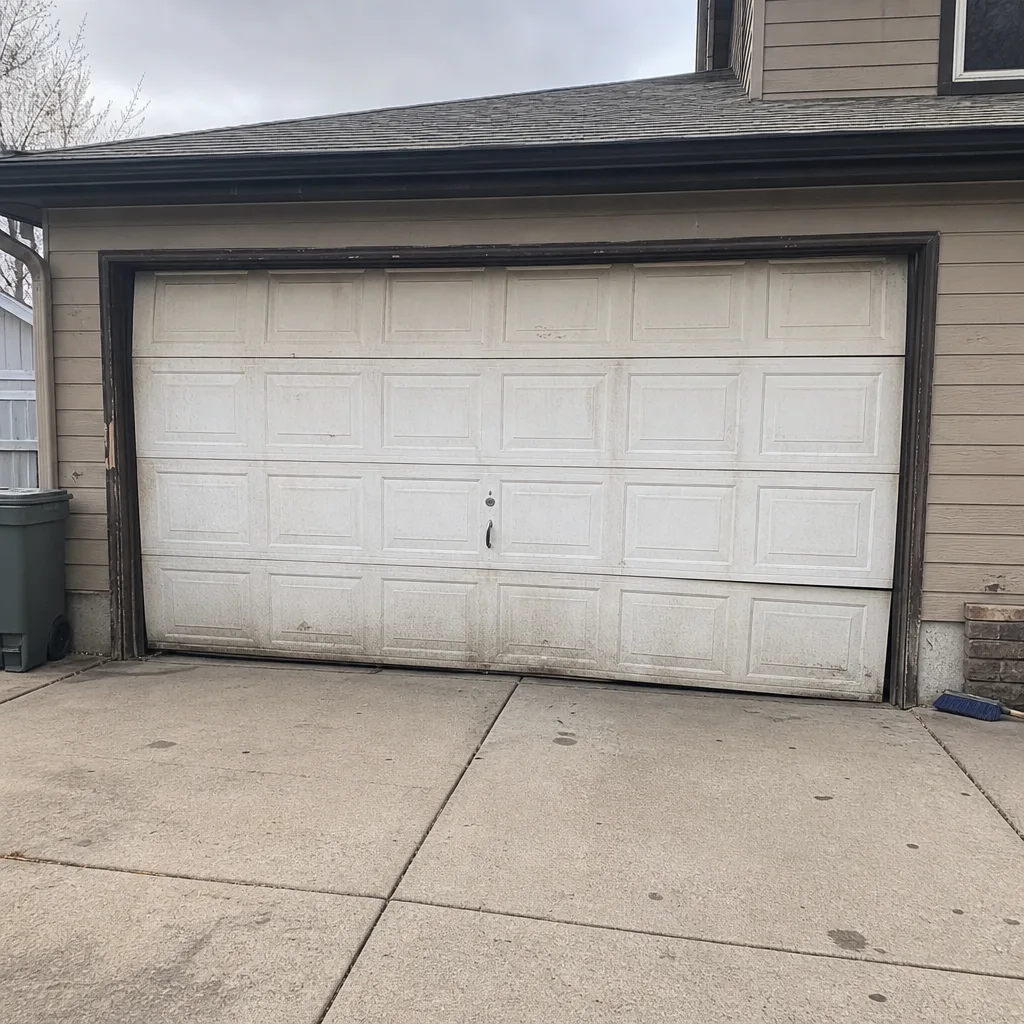 Before
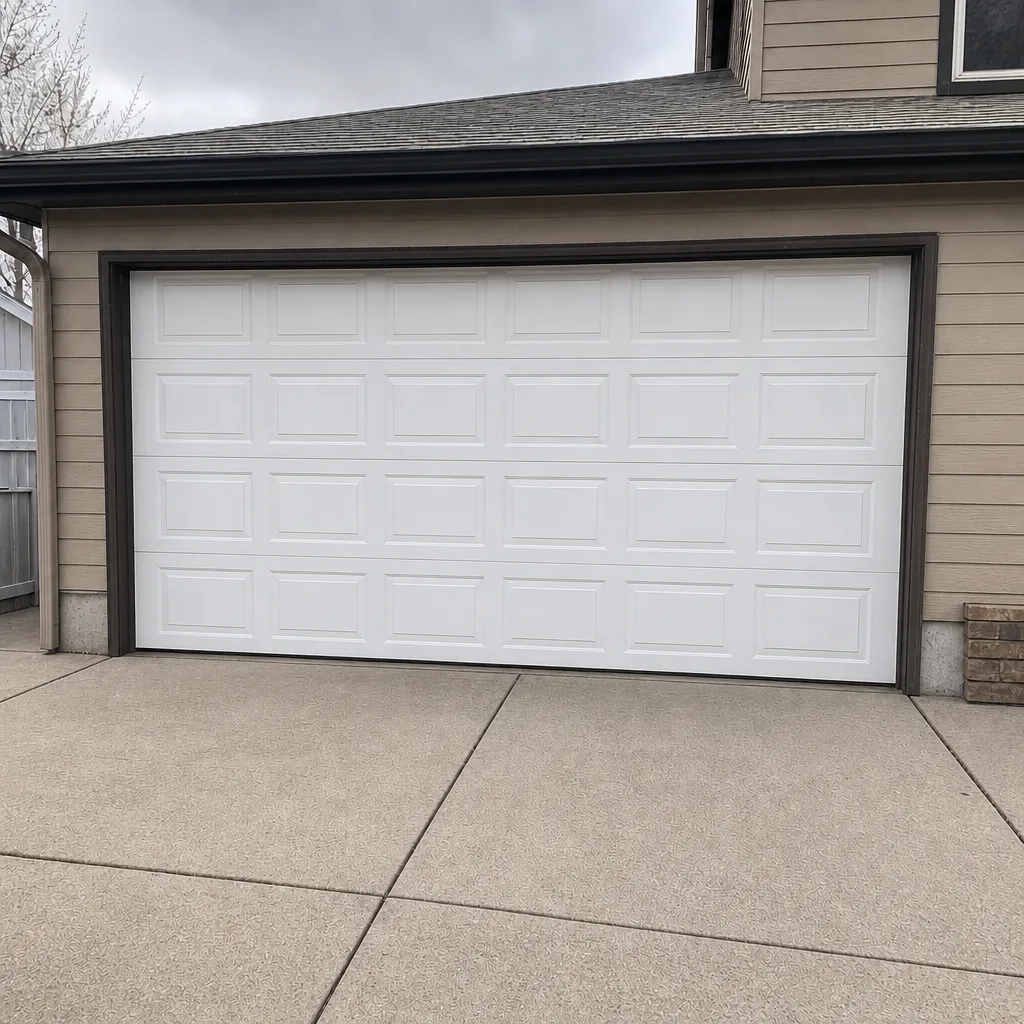 After
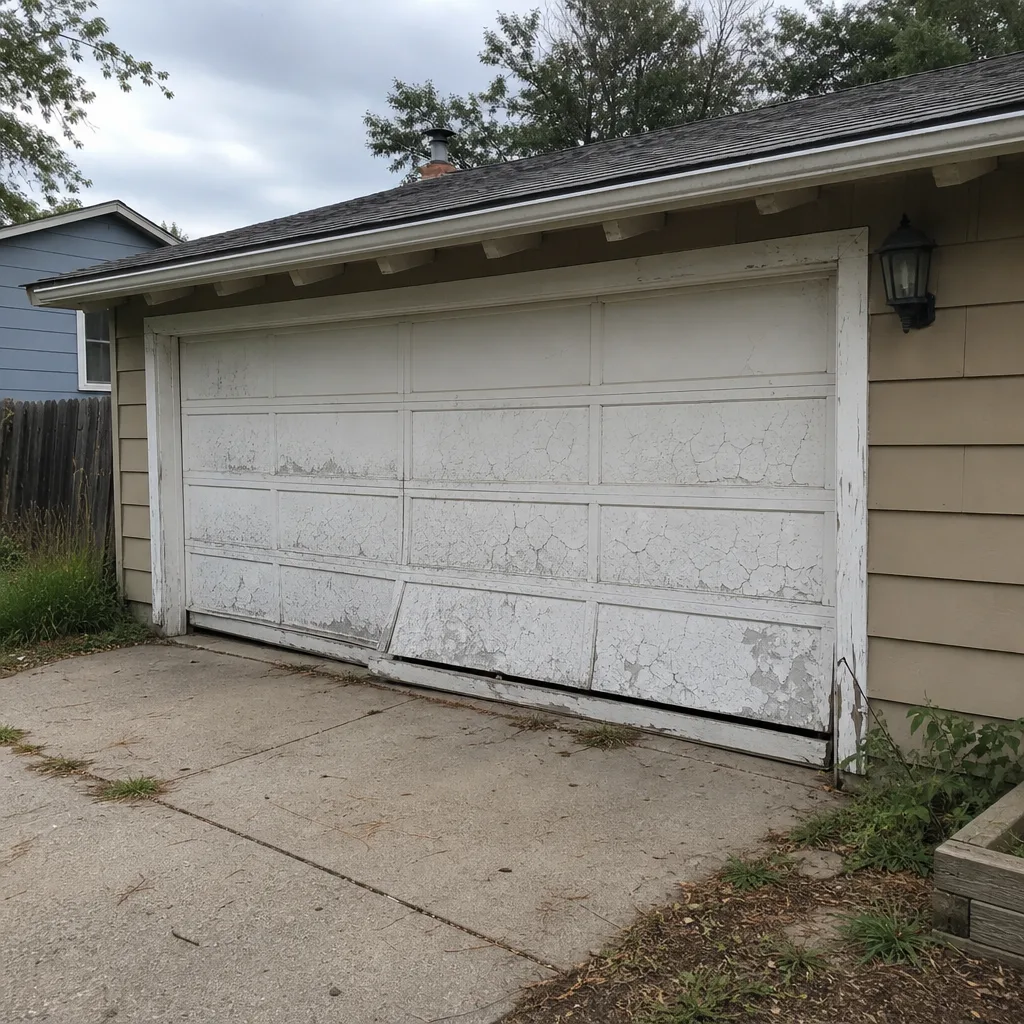 Before
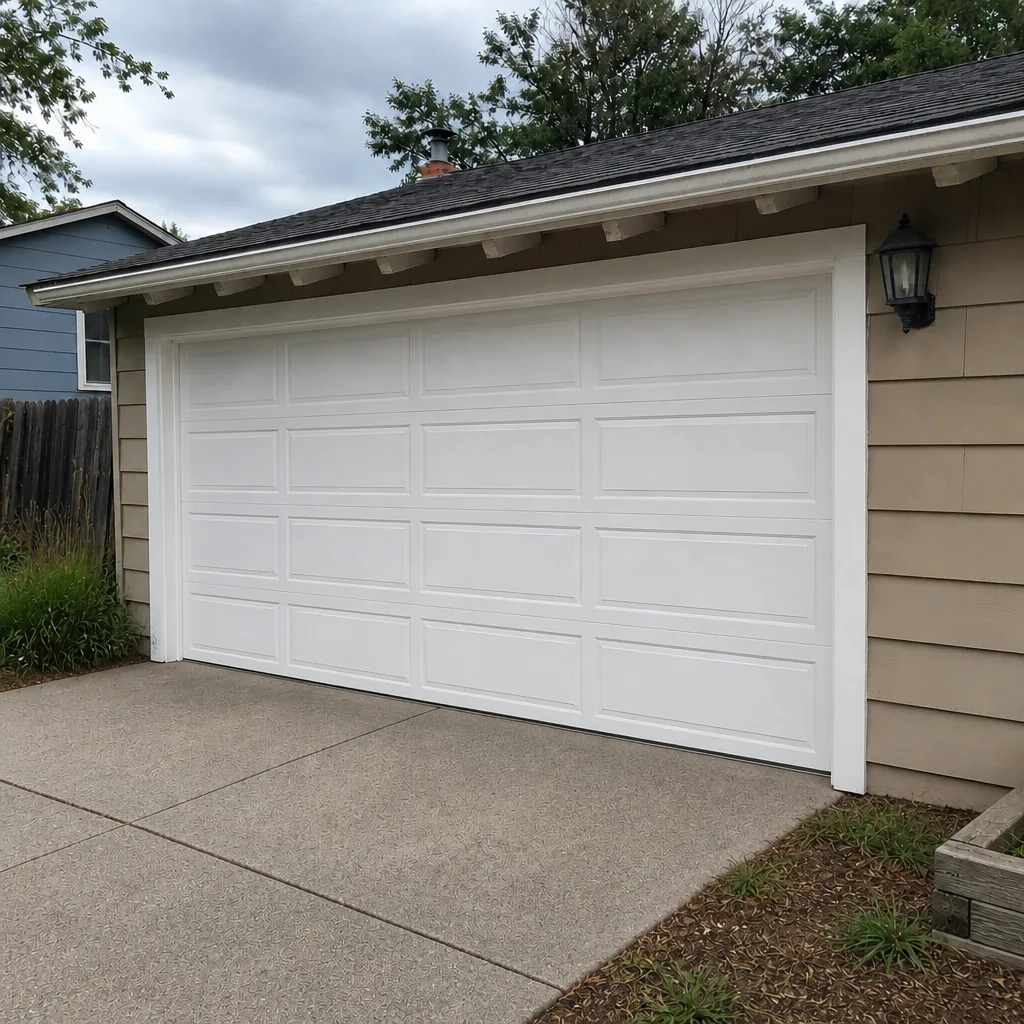 After
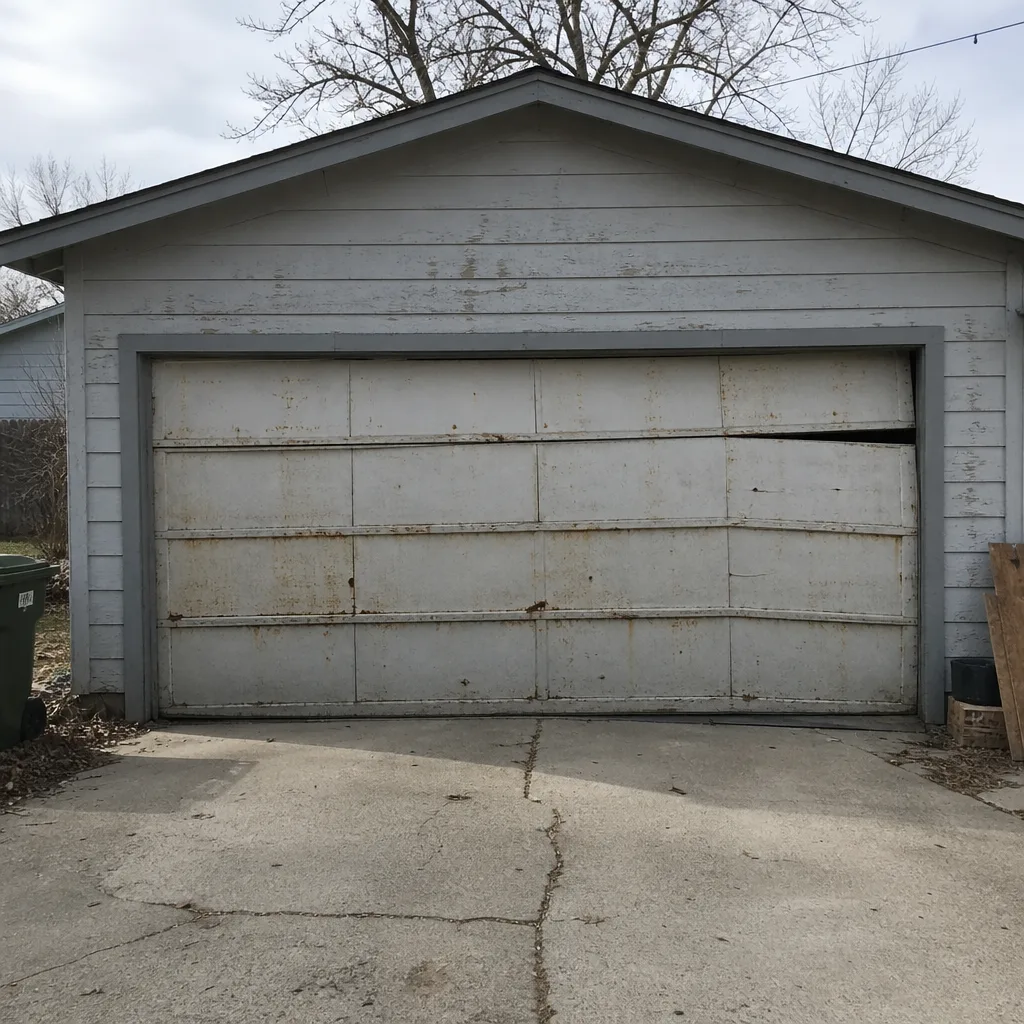 Before
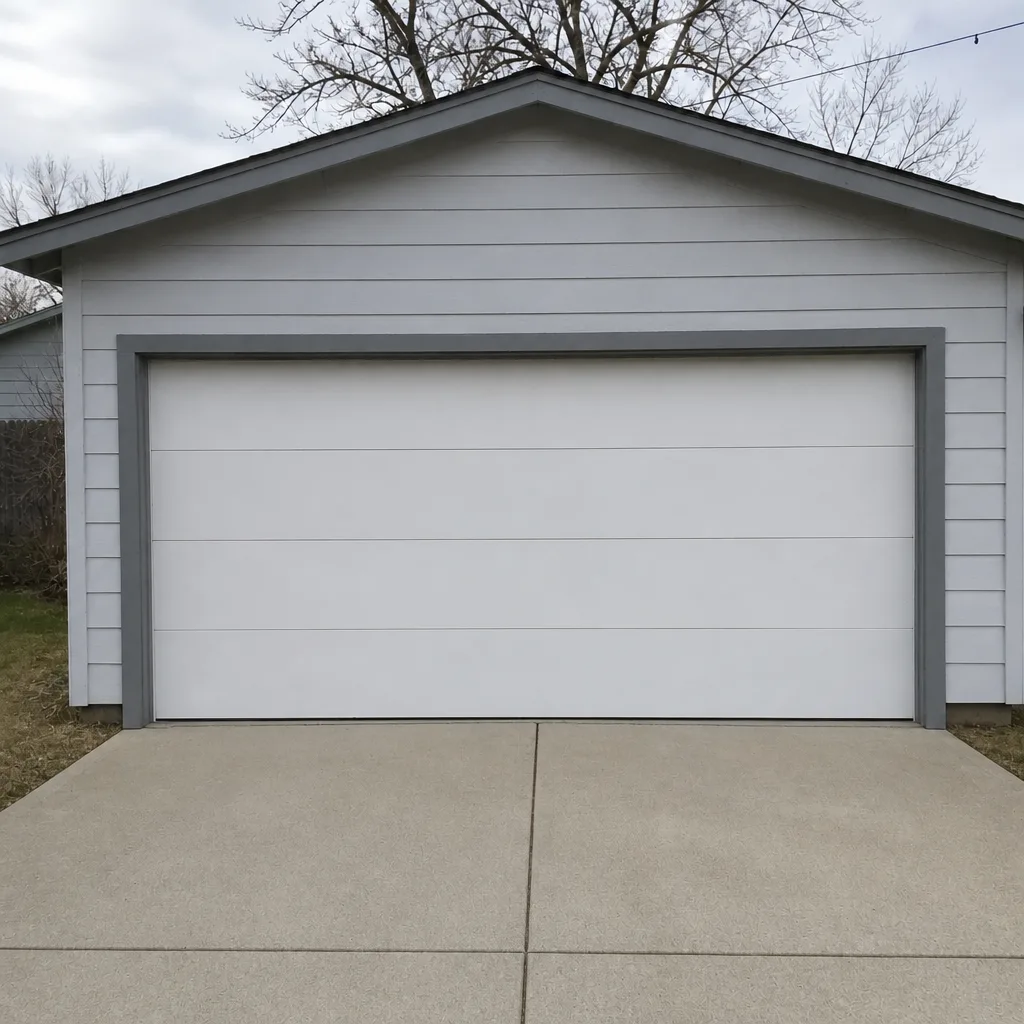 After