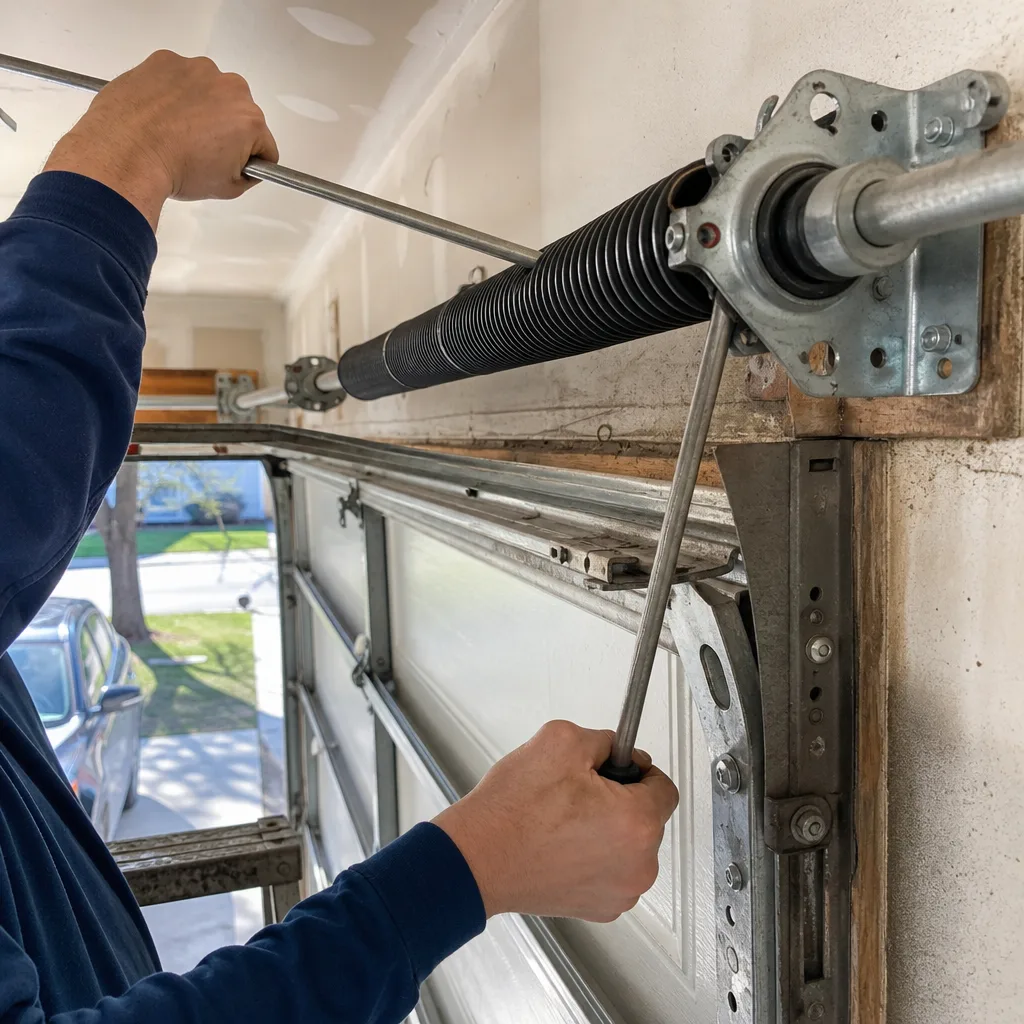
Last updated November 20, 2026
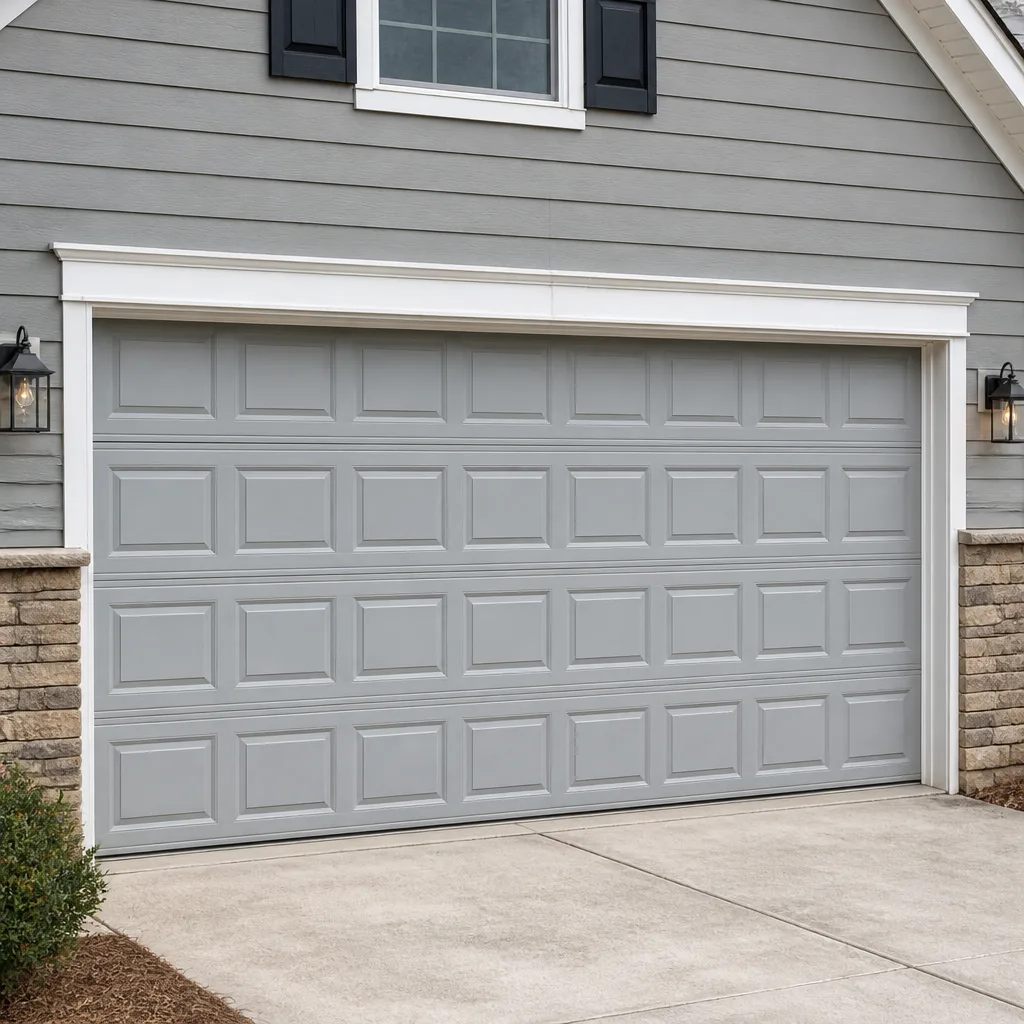 Raised-panel steel
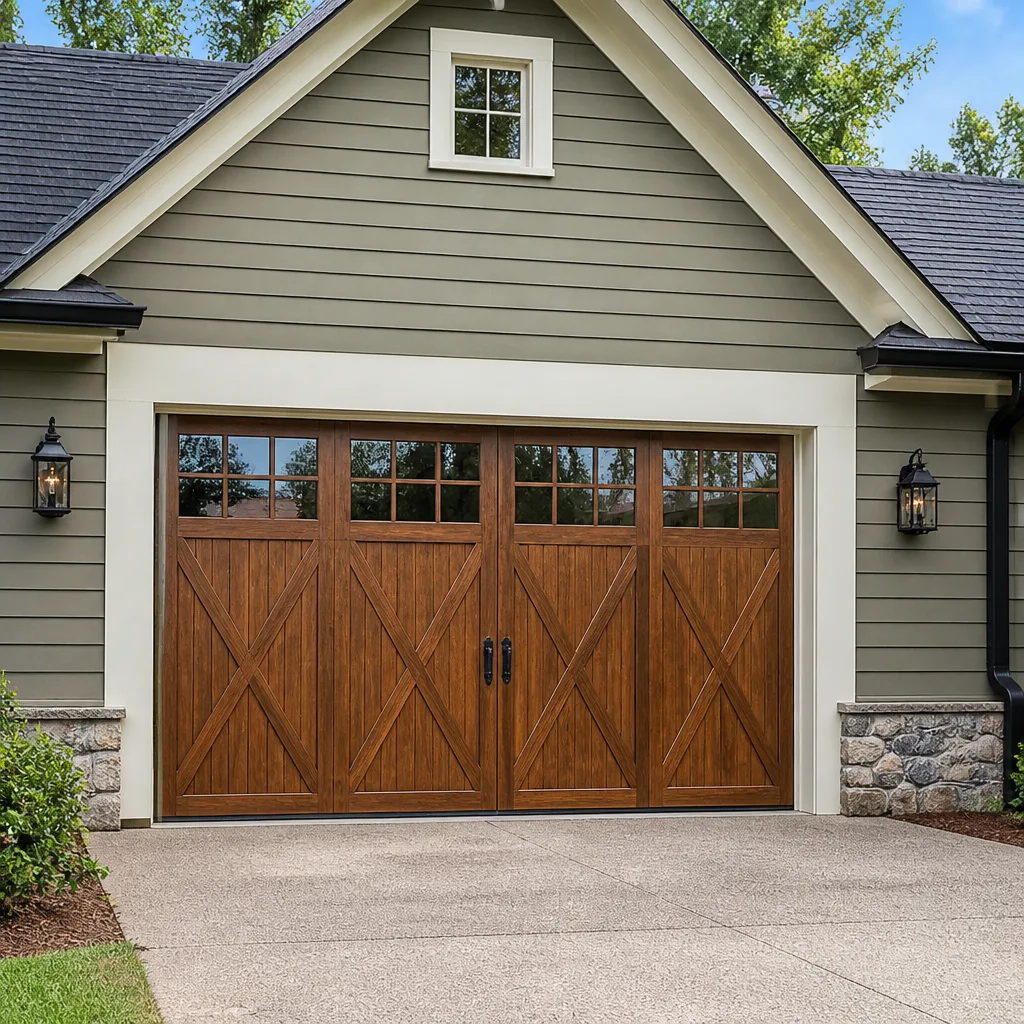 Carriage house
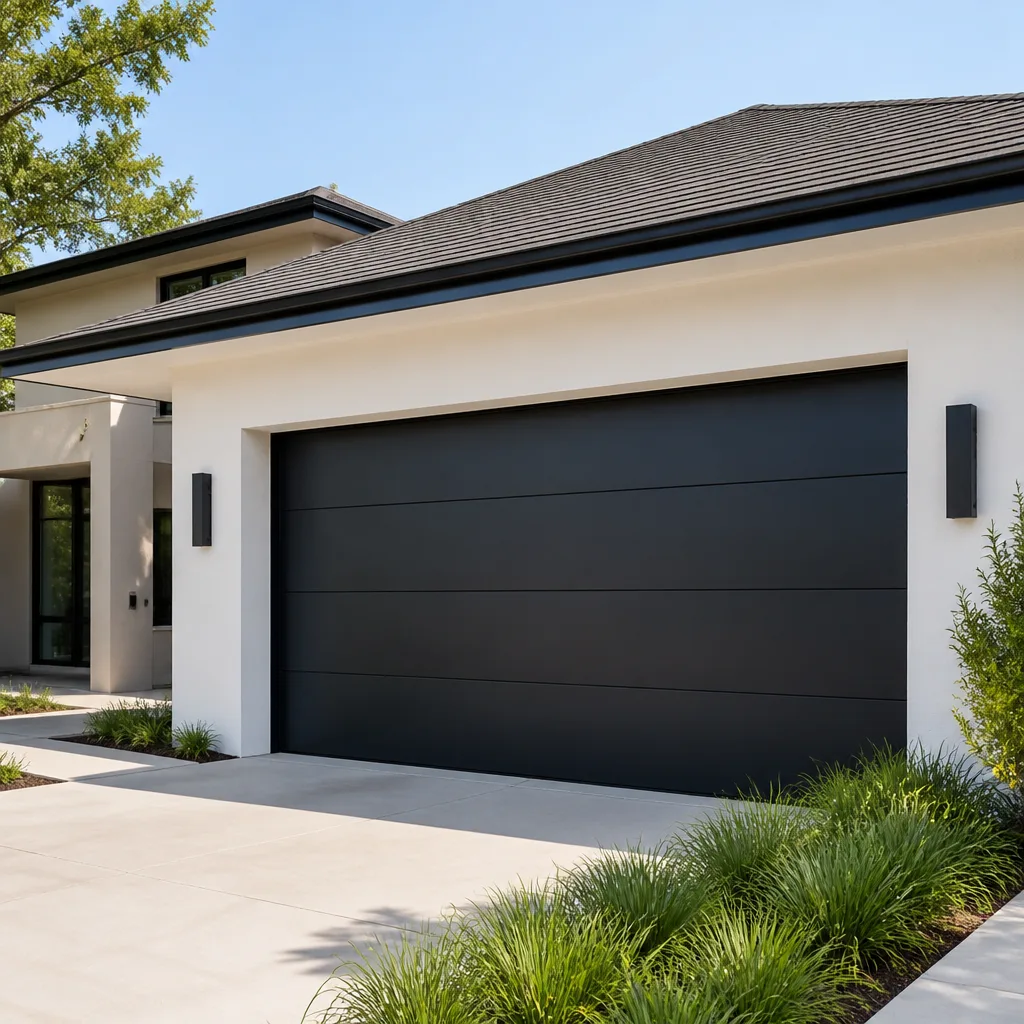 Modern flush
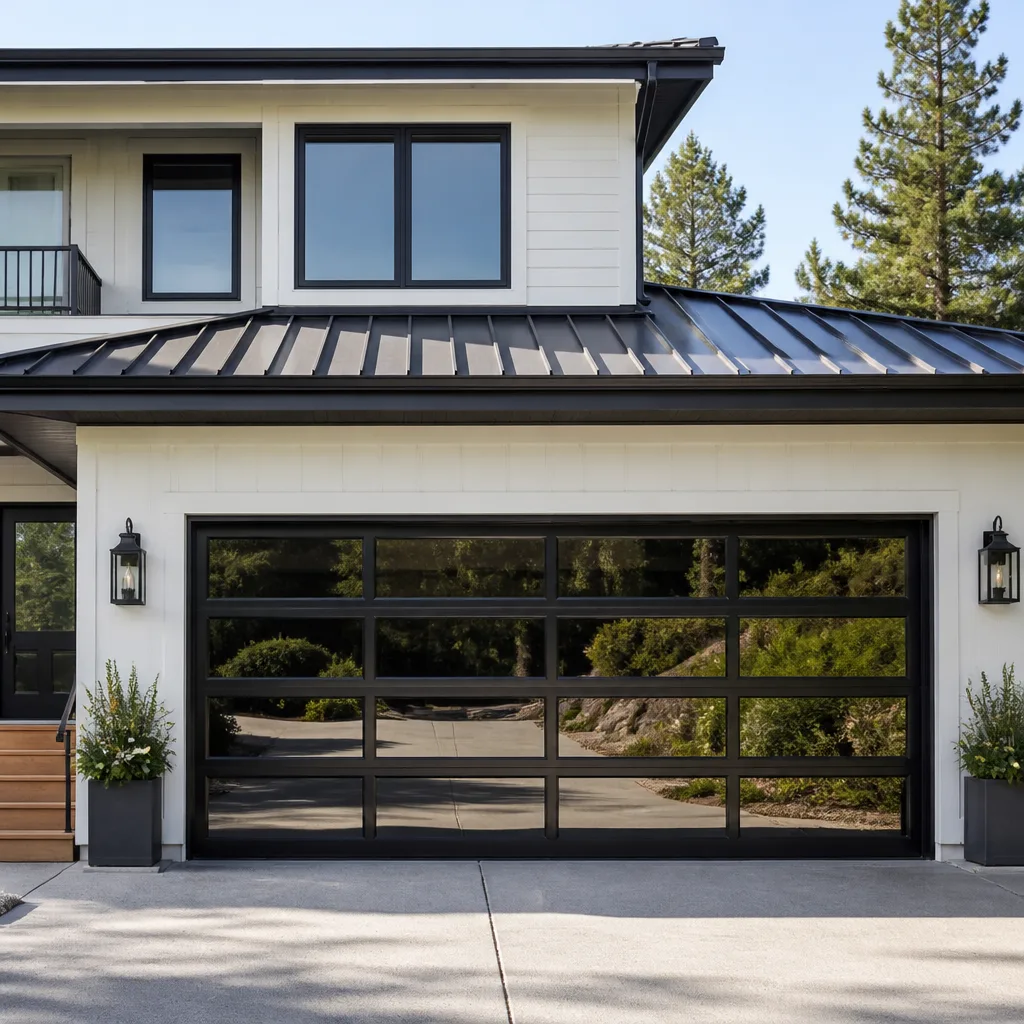 Full-view glass
 LiftMaster openers
 Chamberlain openers
Full 25-point door and opener safety check with every visit - springs, cables, rollers, tracks, and your LiftMaster or Chamberlain opener included
You get a price before we start. It does not change when the pro arrives.
Get your free estimateGarage Door Permits, Codes & Inspections in Lakewood, CO: What You Need to Know
Most homeowners assume a garage door permit is either always required or never required. In Lakewood, neither is true. The answer depends on your address, because some properties sit under the City of Lakewood’s permitting authority and others fall under Jefferson County, and it depends on the type of work, because swapping a door on an existing opening is treated differently than cutting a new one. Get this wrong and the surprise doesn’t arrive at the job site. It arrives years later, during a buyer’s inspection or a title search, when unpermitted work becomes a problem you have to solve retroactively. This guide walks through jurisdiction, the permit threshold, what inspectors actually check, and how long the paperwork takes in Lakewood so you can plan instead of guess.
Quick Answer
In Lakewood, CO, a permit is generally required for structural garage door work – widening an opening, altering a header, or cutting a brand-new rough opening – and typically not required for a straight replacement-in-kind where the new door matches the old opening and no framing changes. Jurisdiction depends on your specific address: some properties are permitted through the City of Lakewood, others through Jefferson County. Confirm with the authority that governs your address before work begins, and let the written estimate spell out who is pulling the permit.
Styles & brands we work with
- Raised-panel steel
- Carriage house
- Modern flush
- Full-view glass
- LiftMaster openers
- Chamberlain openers
Table of Contents
- Which Authority Governs Your Lakewood Address?
- When Does a Garage Door Project Need a Permit in Lakewood?
- Replacement vs. Structural Change: Clear Examples
- What the Inspector Actually Looks At
- Contractor vs. Homeowner: Who Pulls the Permit?
- Timelines and Fees for Lakewood Permits
- How Lakewood’s Climate Affects Garage Door Compliance
- Common Mistakes to Avoid
- When to Call a Professional
Which Authority Governs Your Lakewood Address?
The single biggest source of confusion in Lakewood is that “Lakewood” as a mailing address and “Lakewood” as a permitting jurisdiction aren’t the same thing. A home can carry a Lakewood mailing address while sitting in an unincorporated pocket of Jefferson County, and those properties are permitted by the county rather than the city. That split catches homeowners off guard, and it’s the reason a neighbor’s experience with a permit isn’t necessarily a guide to yours.
Here’s how to figure out which authority governs your property in under two minutes:
- Find your property’s legal description on your county assessor record or your most recent title documents.
- Call the City of Lakewood’s building department and give them your address. They can tell you quickly whether the parcel falls inside city limits or not.
- If it isn’t in the city, call Jefferson County’s building department and confirm the same address with them.
- Write down the name of the person you spoke with and the date. That record is worth keeping if the question ever comes up again.
The reason this matters so much for garage door work is that the two authorities can apply the same broad code framework but with different review thresholds and different paperwork. A project that needs a permit under one may not under the other. In our experience helping homeowners sort this out, a single phone call to the right department resolves it. The mistake is assuming the wrong one.
If you’re unsure which authority handles your address and want to talk it through before you commit to a project, call us at (833) 608-4285 – we can walk you through how to check. For a general overview of what we handle across the city, see Lakewood Garage Door Repair Pros.
When Does a Garage Door Project Need a Permit in Lakewood?
The threshold for a garage door permit in Lakewood depends on what changes. Repair work that restores the door to its original function – replacing a spring, a cable, a roller, a panel that matches the original – is treated differently than work that alters the structure of the opening. The second category is where permits become part of the conversation.
Broadly, here’s how the three categories break down:
- Repair. Replacing a broken spring, a snapped cable, worn rollers, or a failed opener usually doesn’t require a permit. This is maintenance on an existing, permitted structure. Our garage door repair work in Lakewood falls into this category almost every time.
- Replacement-in-kind. Removing an old door and installing a new one that fits the same opening, with no framing changes, is typically treated as a like-for-like swap. Whether your specific Lakewood jurisdiction requires a permit here can vary, so confirm with the building department before work begins. The written estimate should always state whether a permit is included.
- Structural modification. Widening the opening, raising the header, cutting a new rough opening, or altering the framing around the door is almost always a permit-required project. This is where inspections matter most because a mistake in the framing can compromise the wall above the door.
For a full replacement at the same size, our garage door installation process starts with a free measure so we know exactly what’s coming out and what’s going in – and whether the project crosses into permit territory. That measure comes before any order or any scheduling.
The clearest rule of thumb: if the framing above or beside the door changes, plan on a permit. If it doesn’t, ask the authority that governs your address. Either way, the price you’re quoted should be the price you pay, and the permit status should be in writing before anything gets ordered.
Replacement vs. Structural Change: Clear Examples
Abstract thresholds don’t help much when you’re staring at a door and trying to figure out what’s involved. Here’s how the distinction plays out across typical Lakewood projects.
Scenarios that usually don’t require a permit:
- Replacing a single-car door with a new Clopay or Amarr door of the same size on the same tracks and opening.
- Swapping a failing Wayne Dalton opener for a new unit wired to the same outlet and using the same mounting points. This is what our garage door opener repair work handles – repair or replacement of the opener itself.
- Replacing a broken torsion spring, cable, or set of rollers inside an existing track system.
- Replacing a single damaged panel with a manufacturer-matched replacement.
Scenarios that usually do require a permit:
- Converting a manual door to automatic operation where new electrical work is needed – the electrical side is its own permitting conversation.
- Widening a single-car opening into a double. This changes the header and the load path above the opening, which is squarely in structural territory.
- Cutting a brand-new garage opening into a wall that doesn’t currently have one. This is a rough opening from scratch and will always be reviewed.
- Raising the header to fit a taller door, or altering the wall framing around the opening to change the door’s position.
If your project touches the header, the framing, or the electrical, treat it as a structural project and call the governing building department. If you’re replacing what’s there with something the same size, the odds are much better that a permit isn’t required – but confirm before you order the door.
One category that’s often overlooked: a Craftsman opener replacement in a home where the wiring was never properly installed to code. If the outlet or the run of wire is questionable, fix it as part of the project rather than around it. Inspectors notice.
What the Inspector Actually Looks At
If your project crosses the permit threshold, the inspection is the part that worries homeowners most, and the parts that worry them are usually not what the inspector cares about. Here’s what actually gets reviewed when a garage door installation is inspected in Lakewood.
- Spring anchoring. The inspector wants to see that the springs are anchored to structural framing, not to drywall or compromised lumber. This is the highest-risk component of any garage door system, and inspectors know it. A torsion spring under load stores an enormous amount of energy, and a mounting plate that comes loose is genuinely dangerous. This is why our spring repair is a named specialty rather than a footnote – the same anchoring question that concerns an inspector concerns us on every job.
- Header load path. Above every garage door opening sits a header that carries the wall above it. If a door was replaced with a heavier model, or the opening was modified, the inspector will want to see that the header can carry the load. If the original header is undersized for a heavier door, that’s a real structural question, not paperwork.
- Opener safety compliance. The two safety features – the photoelectric sensor pairing at the door opening and the door’s ability to reverse on contact with an obstruction – are checked on any inspection that involves a powered door. LiftMaster, Chamberlain, and Genie openers all include these as standard, but a misaligned sensor or a sensor wired to the wrong terminal will fail. This is a common repair on its own, separate from any permit question.
- Track and roller condition. Fasteners, the vertical and horizontal track mounts, and the rollers should all be intact and properly installed. This is basic but inspectors look at it because loose mounts are the most common failure point on older doors.
- Clearances. The door should clear utilities and not obstruct the opening in a way that creates a hazard. If an electrical panel is in the garage near the door track, its working clearance needs to be intact.
If you want to know what your specific project is likely to face, our garage door repair team can walk the door with you before an inspection and flag anything that would fail. We can’t perform the inspection; only the authority can do that. But we can point out what they’re likely to notice.
Contractor vs. Homeowner: Who Pulls the Permit?
Who pulls the garage door permit depends on how the contract is written, and the answer should always be in the written estimate. In Lakewood, either the homeowner or the contractor can pull the permit. The practical question is which arrangement gives you the most protection, and the answer is almost always: have the contractor do it.
When the contractor pulls the permit, the authority records who did the work, the contractor schedules the inspection, and any correction notice goes to the contractor who has to fix it. When the homeowner pulls it, the homeowner is the party of record. If something fails an inspection during a future home sale, the record shows the homeowner as the responsible party, and the burden to fix it falls on the homeowner – even if a previous contractor did the work.
There’s a third scenario worth understanding: the unpermitted project. If work was done without a permit when a permit was required, it can surface as a title encumbrance during a home sale, and the buyer’s inspection can force a retroactive inspection on work that’s already behind drywall. That’s the part that makes this worth getting right the first time. A retroactive permit is possible in many cases, but it’s more expensive and more disruptive than pulling it upfront, and some corrections require opening walls.
The question to ask when you hire: “Is the permit included in this estimate, and are you pulling it?” If the answer is “you should,” push back. The written quote should be specific. Call (833) 608-4285 for a free estimate that spells out the permit question before any work starts.
For homeowners working with us on multi-brand projects, this is not a complication. Whatever brand is on your door, we know how to hand off the compliance side to the authority correctly, and we can point you to the right department if you’re pulling it yourself.
Timelines and Fees for Lakewood Permits
Timelines and fees for residential garage door permits in Lakewood vary by project scope and which authority governs your address. Rather than promise numbers that might not apply to your project, here’s how to plan. When you call the governing building department, ask them three questions: how long a typical residential garage door permit takes to review, what the fee is for your specific scope, and whether a third-party plan review is required for any structural changes.
For rough planning, here’s how the schedule usually breaks down:
- Permit review for a straight replacement-in-kind, where a permit is required: often quick – days, not weeks – because there’s no structural review.
- Permit review for a structural change such as a new rough opening or a widened opening: usually longer because the plans get a structural review. Allow more time and don’t schedule the job until the permit is issued.
- Inspection scheduling after work is complete: this depends on the authority’s inspection schedule. Plan the project so the inspection can happen before you finish any finish work around the opening.
The fees themselves are set by the authority and vary by the value of the work and the scope. Expect to pay something for the permit itself, and expect the written estimate to either include it or state it separately. For installation projects specifically, the door has to be measured, ordered, and delivered before any of this schedules – so a permit conversation with the authority can happen in parallel with the order.
What we can tell you with confidence: our technicians have up to 14 years of experience with Lakewood homes and Lakewood projects, and we’ve seen how the schedule runs for common scopes. We can’t quote an exact permit fee from the authority, but we can help you build a realistic schedule that accounts for the permit. Call (833) 608-4285 for a free estimate that includes the timing side of the conversation.
How Lakewood’s Climate Affects Garage Door Compliance
Lakewood sits at the base of the Front Range and sees the swings that come with it: warm, dry summers, cold winters with real snow load, and freeze-thaw cycles that work on anything anchored into framing. That climate shapes what actually fails on a garage door and, in turn, what inspectors are thinking about when they look at one.
The freeze-thaw pattern is the big one. It can move fasteners, loosen things that were originally set tight, and stress the anchoring points on torsion springs and track mounts. A door that was installed cleanly in the spring can show a slight looseness by winter. That’s normal for the climate, and it’s exactly why annual visual checks of the mounting points are worth doing. It’s also why the anchoring question matters more here than it might somewhere with a flatter climate – if a spring’s mounting plate was never anchored properly, freeze-thaw cycles find that out first.
Snow load also matters on anything structural. If you’re adding a new opening or widening an existing one, the header has to account for the loads a Front Range winter puts on the wall above it. This is a design question, not a paperwork question, and it’s the reason structural garage door work in Lakewood is best thought through before the footprint gets cut.
The climate doesn’t change the permit rules, but it changes what the installation needs to hold up against. A replacement door that’s well insulated and properly weather-sealed handles the temperature swings better and keeps the garage from becoming a heat sink in winter and an oven in summer. When we help a homeowner select a Clopay or Amarr door for a Lakewood home, the climate is part of that conversation, not an afterthought.
If your opener has been acting up during a seasonal swing, our garage door opener repair team can check the sensors and the force settings, which are the two settings most likely to need adjustment at season change.
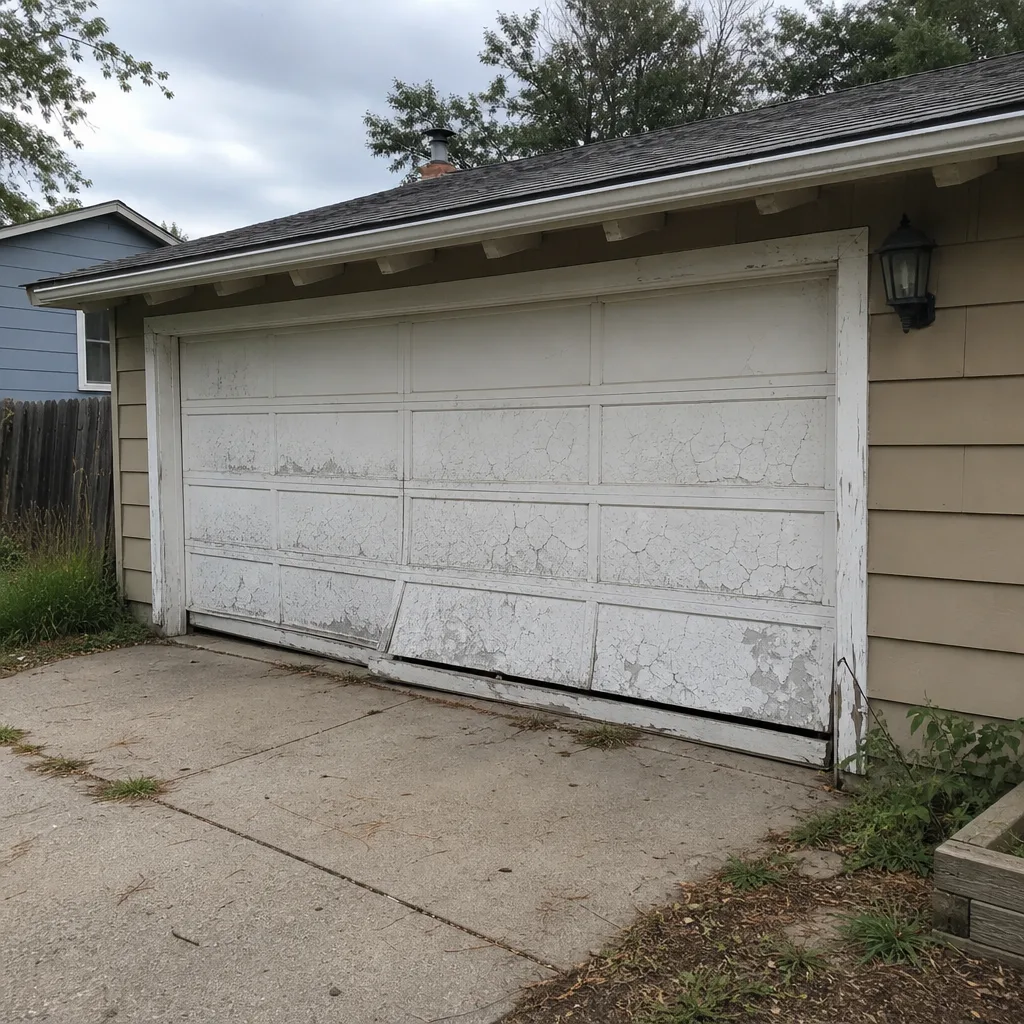
See the difference
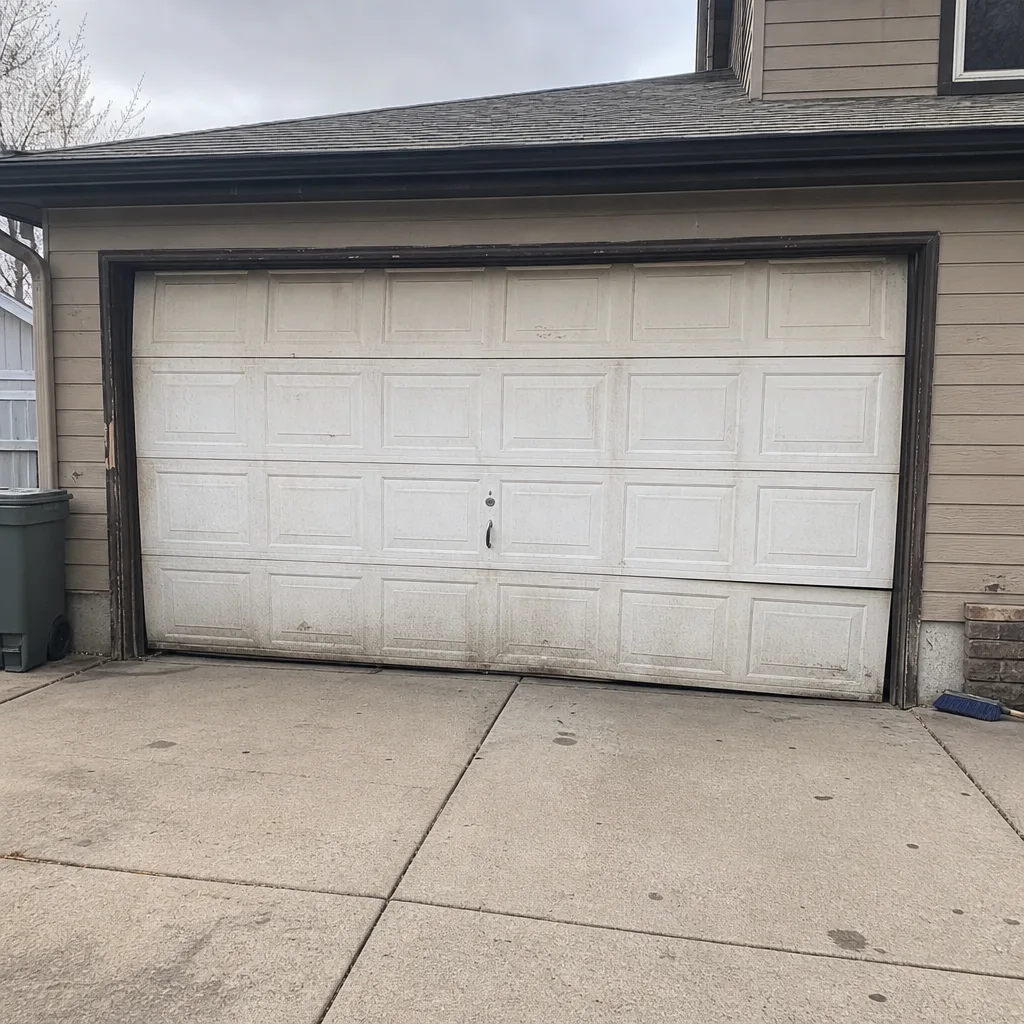 Before
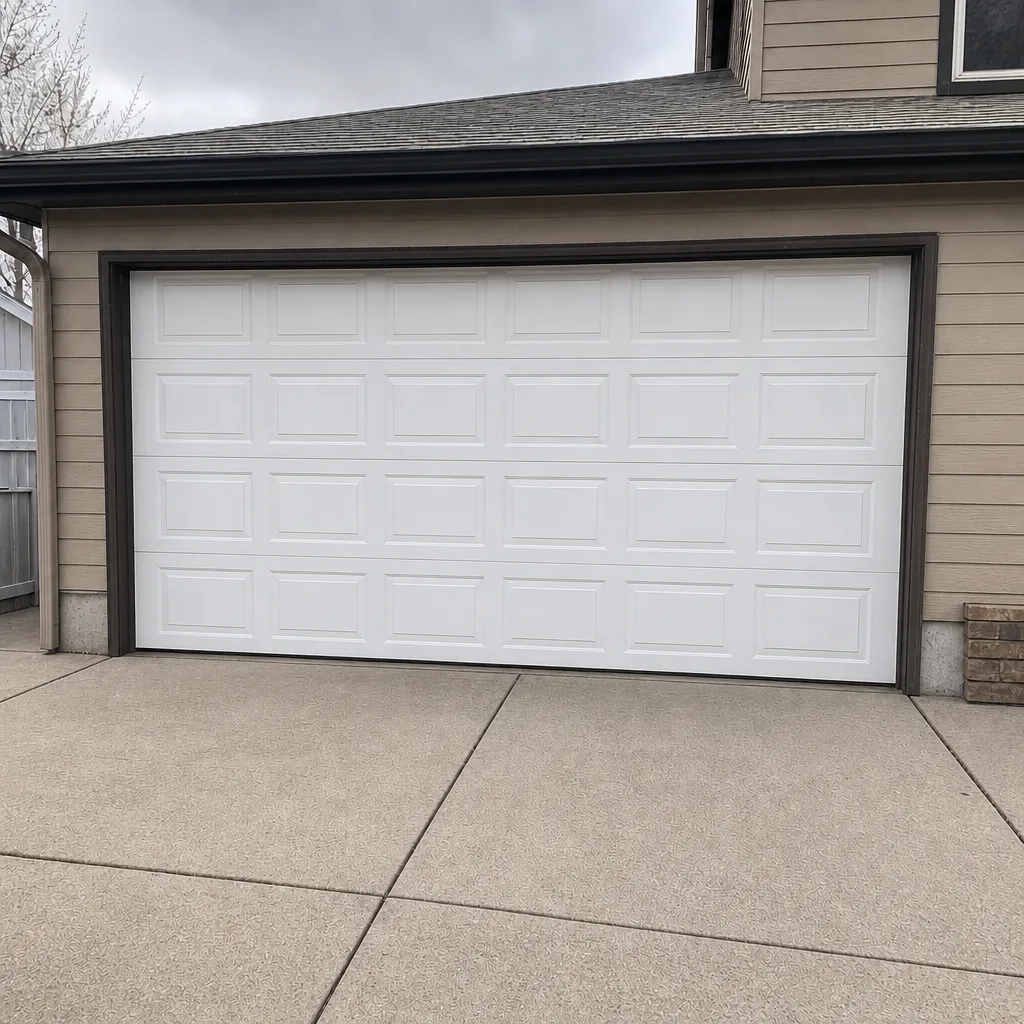 After
 Before
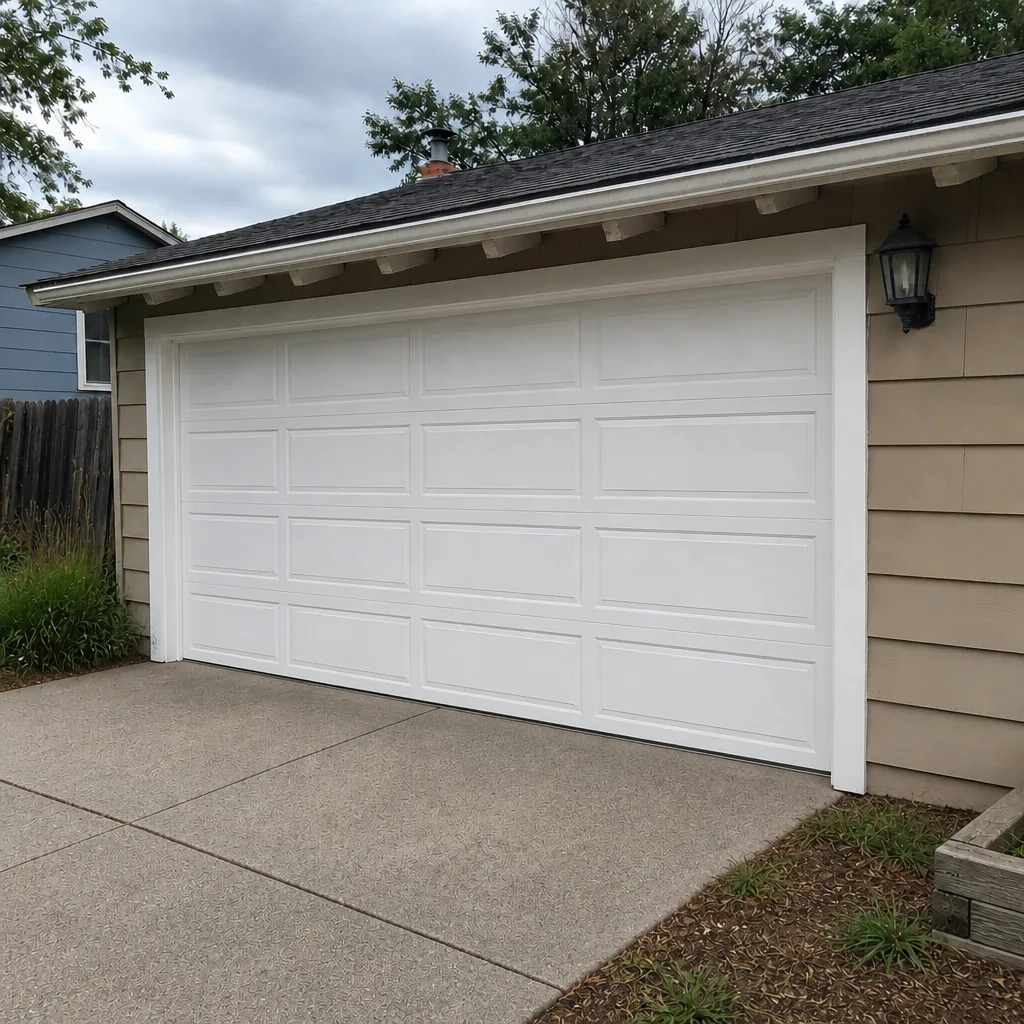 After
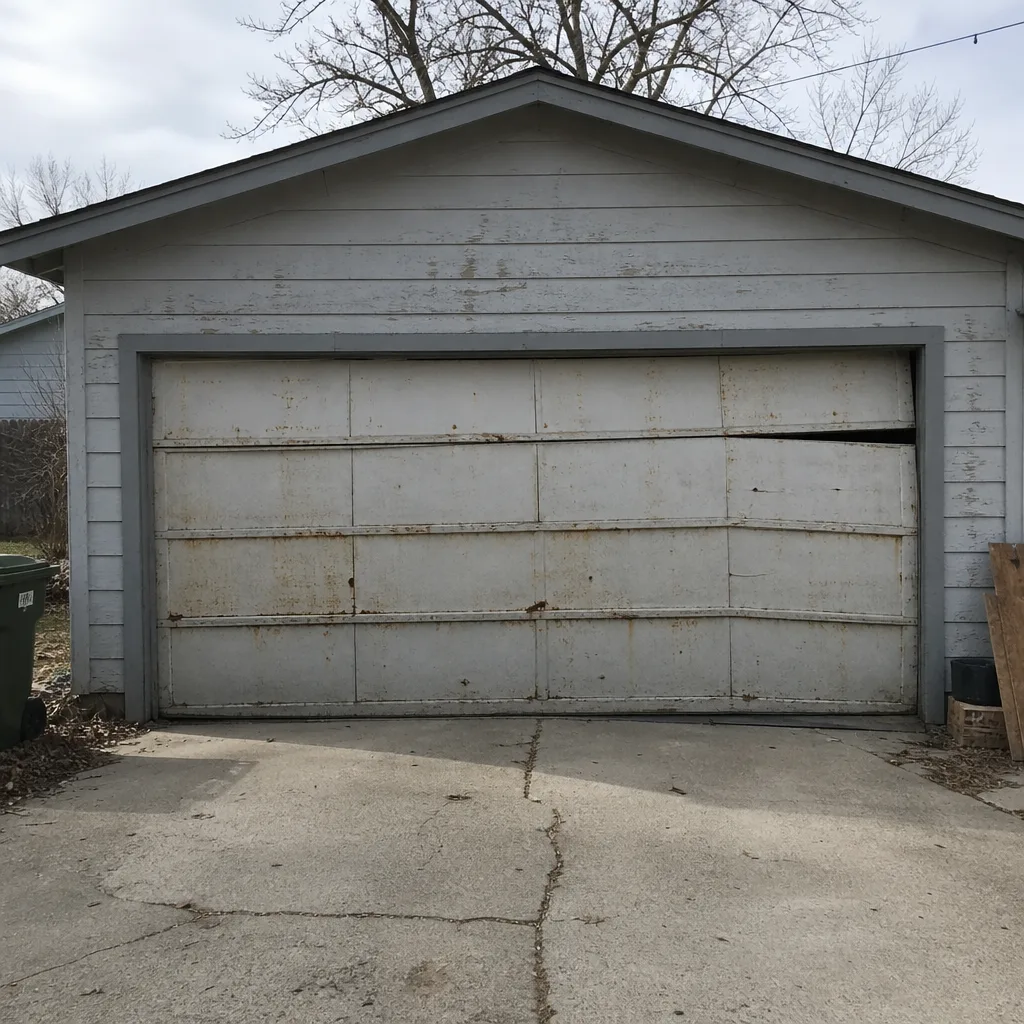 Before
 After
Common Mistakes to Avoid
- Assuming the City of Lakewood governs your address without checking. Some Lakewood addresses fall under Jefferson County, and the permit rules between the two are not identical. Confirm before you order the door or schedule the job, because changing course later costs time and money.
- Treating a widened opening as a “door replacement.” If the header or framing is changing, you’re in structural territory and the paperwork is different. Calling it a replacement doesn’t change what the inspector will look for.
- Assuming a neighbor’s experience tells you what applies to your project. If your neighbor replaced a door without a permit, that tells you nothing about whether your project needs one – even if the neighborhoods look identical and your houses are similar sizes.
- Not getting the permit question in writing. The written estimate should say, in plain language, who is pulling the permit and whether the cost is included. A verbal “we’ll handle it” is not the record you want at a home sale.
- Hiring a contractor who says you should pull the permit “to save money.” This shifts the compliance burden onto you, and if a future inspection finds an issue, you’re the party of record. If a contractor recommends this, ask why.
- Not asking what the inspector will actually check. The anchoring on the springs, the header load path, and the opener’s safety sensors are the three things most likely to need attention before an inspection. A quick walk-through with a technician before the inspection catches most of them.
- Skipping the inspection because the work looks fine. An inspection is about the record, not just the door. If your project required a permit, the inspection is part of the project being complete in a way that shows up in the file later.
When to Call a Professional
Some permit questions you can answer yourself with a phone call to the building department. Others are best handled by someone who does this work in Lakewood regularly and knows what the authority is likely to ask. Call a professional when the project involves:
- Any structural change – a widened opening, a new rough opening, a header modification. This is where design decisions and permit review go hand in hand.
- A torsion spring failure. Springs are under extreme tension and the anchoring is exactly what inspectors care about. This is not a project for a homeowner with a hand tool.
- An opener that’s been unreliable through a season change, or one that’s failed its safety sensor test. Sensors and force settings are checkable, and a trained technician can find the issue quickly.
- A full door installation, where brand selection, sizing, insulation, and permit status all need to line up before the door is ordered.
- A home sale coming up where you suspect prior work was unpermitted. A technician can walk the door and flag what’s likely to fail a buyer’s inspection.
Lakewood Garage Door Repair Pros offers free estimates in Lakewood – call (833) 608-4285. Our technicians have up to 14 years of experience and work with LiftMaster, Chamberlain, Genie, Clopay, Amarr, Wayne Dalton, Craftsman, and Raynor, so whatever’s on your door, we know how to look at it. Estimates come with a written price you agree to before any work starts.
Frequently Asked Questions
It depends on your address and the scope. A replacement-in-kind on an existing opening often doesn’t require a permit, but that varies by jurisdiction – some Lakewood addresses fall under the City of Lakewood and others under Jefferson County, so confirm with the authority that governs your specific property before ordering. Structural changes like widening the opening or cutting a new one almost always require a permit. Call (833) 608-4285 for a free estimate and we can help you think through which kind of project you have.
Call the City of Lakewood’s building department and give them your address. They’ll tell you quickly whether your parcel is inside city limits or not, and if it isn’t, you’ll call Jefferson County’s building department and confirm with them. Write down the name of the person you spoke with and the date. For an exact quote on the work side of the project, call (833) 608-4285.
Not if the scope hasn’t changed. We quote and agree the price in writing before any work starts, so the number you see is the number you pay for the scope described. If something comes up that changes the scope – an unexpected header issue, for example, or a permit requirement we didn’t anticipate – we tell you before proceeding, and you decide. Call (833) 608-4285 to start with a free estimate.
The local professional who performs the work is licensed and insured as Colorado requires. We connect you with vetted local professionals, and we ask for the license and insurance information as part of the process. If license or insurance documentation is required for your jurisdiction’s permit, tell us when you call and we’ll make sure it’s on file before work begins. Call (833) 608-4285 for a free estimate.
In many cases, yes – spring repair is a core service for us, and we do offer same-day service when scheduling allows. A snapped torsion spring is a genuine safety concern, and we don’t recommend operating the door. Call (833) 608-4285 and we’ll tell you what’s available. The price is quoted and agreed before any work begins.
Spring anchoring, header load path, opener safety compliance, track and roller condition, and clearances. The anchoring question is the most important of these – springs mounted to structural framing rather than drywall or compromised lumber is what the inspector wants to see. If your project is heading toward an inspection and you want to know what will pass, call (833) 608-4285 for a free estimate and we can walk the door first.
The Bottom Line
The permit question for garage doors in Lakewood is genuinely address-dependent and scope-dependent, not universal. Confirm which authority governs your property before anything gets ordered. Treat a widened or new opening as a structural project that will need a permit and a structural review. Treat a same-size replacement as a conversation with the building department – sometimes a permit, sometimes not. Get the permit question into your written estimate in plain language. And when the project involves a spring, an opener, or a full door, call (833) 608-4285 for a free estimate. Whatever brand is on your door, we know how to look at it. From snapped spring to full installation, the price is agreed before the work starts.
Written by the team at Lakewood Garage Door Repair Pros.